MSFS
Granville Gee Bee R2 / Z ↗
A compact racing aeroplane built around a large radial engine and very short fuselage.
1 implementations+ Compare
Explore the aircraft. Find your simulator. Follow the sources.
A compact racing aeroplane built around a large radial engine and very short fuselage.
A two-seat naval fighter with variable-sweep wings and a cockpit built around pilot and radar-intercept officer roles.
The Wilga is the real-aircraft starting point for Mike Patey's DRACO and the simulator's DRACO X.
A long-range trijet developed from the DC-10 with a stretched fuselage and revised wing and cockpit.
A five-seat turbine helicopter developed from Robinson's smaller piston-helicopter line.
A compact utility helicopter distinguished by its enclosed Fenestron tail rotor.
A modern utility single whose family includes both tailwheel and nosewheel configurations.
A close-air-support aircraft with a straight wing, twin tail and two widely separated jet engines.
A twin-hull flying boat with its engines mounted together above the wing.
A light business jet with a swept wing, rear-mounted engines and an integrated flight deck.
A long-range twin whose programme emphasised composite construction and more electrically powered systems.
A turbine-powered utility helicopter with a broad cabin and a long international service history.
A Swedish reconnaissance and dive-bombing aircraft from the early 1940s.
A 1920s transport family that developed from a single-engine airliner into a trimotor.
An amphibious turboprop designed around scooping water and delivering it to fires.
A family of single-aisle airliners built around sidesticks, electronic flight controls and a shared cockpit.
A shorter wide-body Airbus from the transition to two-pilot, electronic-instrument cockpits.
A single-seat aerobatic monoplane that also became a familiar air-racing aircraft.
A specialised reconnaissance aircraft designed for very high altitude and sustained supersonic flight.
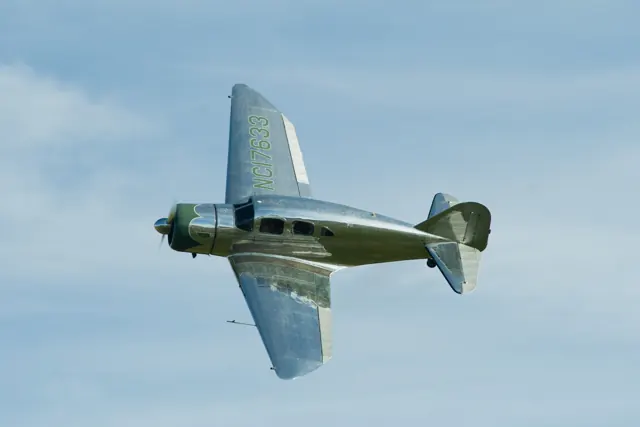
A late-1930s cabin aircraft with metal construction and retractable landing gear.
A four-engine airliner that brought pressurised-cabin travel into scheduled service.
A heavy transport helicopter whose two large rotors remove the need for a tail rotor.
A wooden touring-aircraft family recognisable by the upward-angled outer wing panels.
A large twin-radial transport that carried heavy loads through wartime and post-war freight service.
This is AirframeDB’s first release. More features and aircraft research are planned. Leave your email if you’d like occasional updates.