MSFS
Lockheed L-1011 TriStar ↗
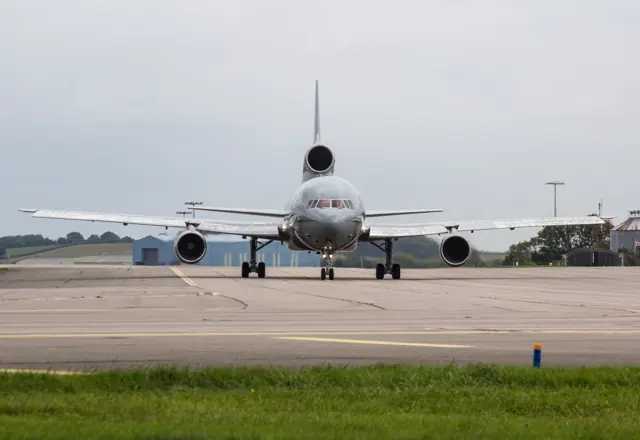
Lockheed's wide-body TriStar, with three RB211 engines and a distinctive tail intake.
1 implementations+ Compare
Explore the aircraft. Find your simulator. Follow the sources.
Lockheed's wide-body TriStar, with three RB211 engines and a distinctive tail intake.
A long-running touring single, familiar in both V-tail and conventional-tail forms.
A Polish utility aircraft designed for short takeoffs and landings.
Mooney's four-seat piston family, developed through many touring-aircraft variants.
A turbine-powered utility helicopter with a broad cabin and a long international service history.
A two-seat light amphibian with a compact boat hull and a pusher propeller.
A vast inter-war flying boat with twelve engines arranged in six paired installations.
A light tandem-seat taildragger built around the familiar braced high-wing layout.
A tandem-seat light aircraft with a streamlined low-wing layout.
A three-engine airliner that became a mainstay of Soviet and Russian passenger transport.
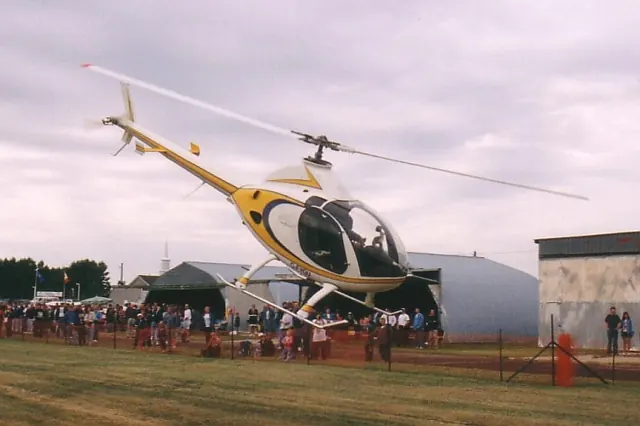
RotorWay's two-seat kit-helicopter family, with piston and turbine simulator interpretations.
The Mitchell medium bomber, named for aviation advocate Billy Mitchell.
A midsize business jet developed by Bombardier’s Learjet division.
Tecnam's four-seat high-wing single, built with metal and carbon-fibre components.
A utility piston twin designed for commuter and specialist transport missions.
An advanced trainer known around the world as the Texan, Harvard and SNJ.
A composite touring single with a whole-aircraft parachute and several generations of avionics.
A Swedish reconnaissance and dive-bombing aircraft from the early 1940s.
The Wilga is the real-aircraft starting point for Mike Patey's DRACO and the simulator's DRACO X.
A compact twin-engine transport helicopter with retractable gear and a long development history.
A corrugated-metal transport best known in its three-engine form.
A hybrid-electric regional-airliner concept represented in the simulator while the real programme develops.
A compact utility helicopter distinguished by its enclosed Fenestron tail rotor.
Airbus's first production aircraft, built around a twin-engine wide-body layout.
This is AirframeDB’s first release. More features and aircraft research are planned. Leave your email if you’d like occasional updates.