X-Plane
Embraer Phenom 300 ↗
A light business jet with a swept wing, rear-mounted engines and an integrated flight deck.
1 implementations+ Compare
Explore the aircraft. Find your simulator. Follow the sources.
A light business jet with a swept wing, rear-mounted engines and an integrated flight deck.
A regional turboprop family whose short early versions and larger Q400 have different proportions and systems.
An enlarged Velocity kit aircraft with a canard and rear-mounted pusher propeller.
A compact two-seat light aircraft with a high wing and a wide range of development variants.
A four-seat kit-built touring aircraft that expanded the RV family beyond two-seat designs.
SOCATA's touring-aircraft family, including the Tobago and Trinidad.
A tailwheel utility single built around a high wing and a substantial working cabin.
A large amphibious flying boat built around maritime rescue and utility transport.
A two-seat training single with a high wing and fixed tricycle landing gear.
Beechcraft's Model 76, designed to introduce pilots to twin-engine flying.
A modern utility single whose family includes both tailwheel and nosewheel configurations.
An Italian light aircraft known for military training and aerobatic use.
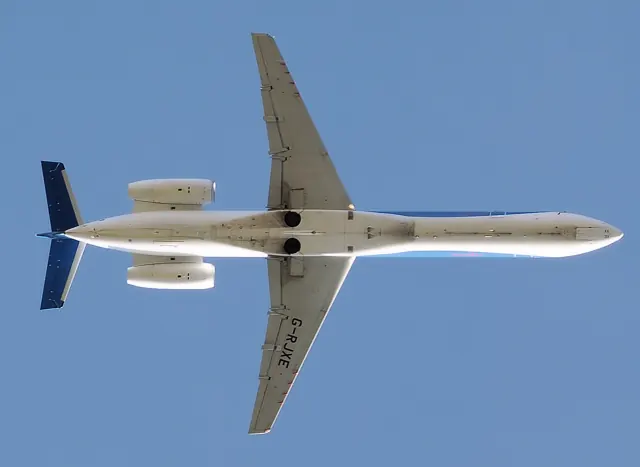
Embraer's regional-jet family, from the ERJ 135 to the longer ERJ 145.
A large long-haul twin that introduced Boeing's first commercial fly-by-wire airliner flight controls.
A light tandem-seat taildragger built around the familiar braced high-wing layout.
A modern medium twin-engine helicopter developed as a successor to the Dauphin line.
A narrow-body twin developed as a new generation of medium-range airliner.
An all-metal sport and touring aircraft from Bayerische Flugzeugwerke.
A super-midsize business jet with a swept wing, rear-mounted engines and an integrated glass cockpit.
A modern two-seat piston helicopter designed around the training role.
The CJ4 belongs to Cessna's light-jet line, with two rear-mounted engines and a T-tail.
Ted Smith's piston twin, later produced by Piper as the Aerostar.
A heavy transport helicopter whose two large rotors remove the need for a tail rotor.
This is AirframeDB’s first release. More features and aircraft research are planned. Leave your email if you’d like occasional updates.