MSFS X-Plane
Cessna 152 / Aerobat ↗
A two-seat training single with a high wing and fixed tricycle landing gear.
5 implementations+ Compare
Explore the aircraft. Find your simulator. Follow the sources.
A two-seat training single with a high wing and fixed tricycle landing gear.
A two-seat composite trainer with a low wing and a large canopy.
A modern composite twin with a roomy cabin and two wing-mounted piston engines.
A low-wing piston twin that carries the Beechcraft touring-aircraft lineage into two-engine flying.
A twin-turbine Huey descendant with a four-blade main rotor.
A three-engine airliner that became a mainstay of Soviet and Russian passenger transport.
Beechcraft's Model 76, designed to introduce pilots to twin-engine flying.
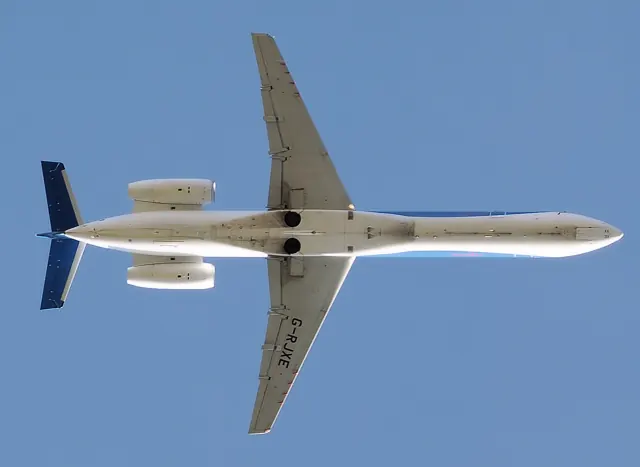
Embraer's regional-jet family, from the ERJ 135 to the longer ERJ 145.
Dassault's long-range Falcon 8X, developed from the three-engine 7X.
Avro's delta-wing bomber, developed for Britain's postwar strategic force.
A single-engine turboprop workhorse for passenger services, freight and remote-area transport.
A family of single-aisle airliners built around sidesticks, electronic flight controls and a shared cockpit.
A tandem-seat homebuilt jet with composite construction and retractable landing gear.
A push-pull twin with one engine at each end of the central fuselage.
A compact twin-engine transport helicopter with retractable gear and a long development history.
A stretched development of the DC-9 with rear-mounted engines and a five-abreast cabin.
A wide-cabin business-jet family that developed from Canadair's original Challenger programme.
Diamond's four-seat light twin, developed with diesel-powered versions.
A two-seat composite kit aircraft developed from the Lancair 320.
A four-seat kit-built touring aircraft that expanded the RV family beyond two-seat designs.
The Model 525 CitationJet, the starting point of Cessna's CJ and M2 lineage.
SOCATA's touring-aircraft family, including the Tobago and Trinidad.
A compact Italian light twin with a shoulder wing and metal airframe.
A heavy transport helicopter whose two large rotors remove the need for a tail rotor.
This is AirframeDB’s first release. More features and aircraft research are planned. Leave your email if you’d like occasional updates.