Kamov Ka-10M HAT ↗
A piston-powered coaxial helicopter represented by TouchingCloud's Ka-10M HAT.
0 implementations+ Compare
Explore the aircraft. Find your simulator. Follow the sources.
A piston-powered coaxial helicopter represented by TouchingCloud's Ka-10M HAT.
A four-bladed utility helicopter developed from the LongRanger lineage.
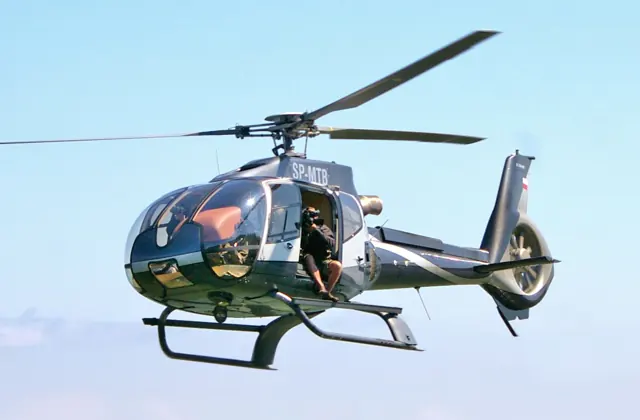
The H130 utility helicopter, descended from the AS350 and fitted with a Fenestron.
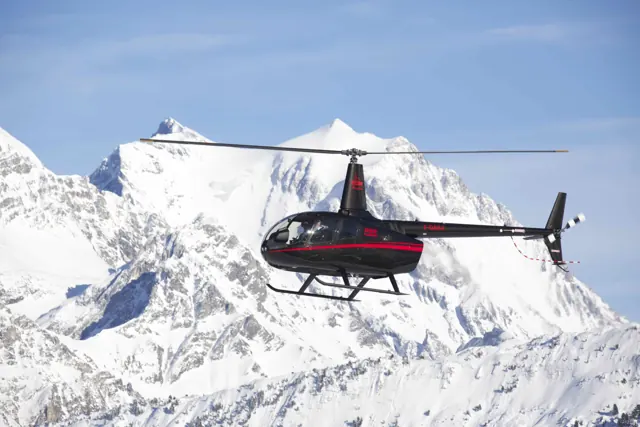
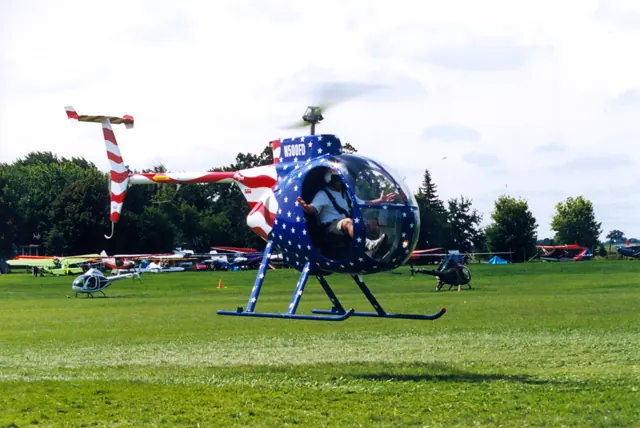
A small two-seat piston helicopter with a two-bladed main rotor.
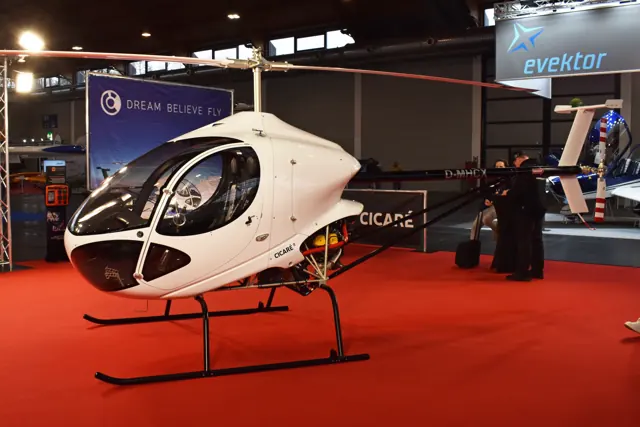
A single-seat helicopter with one engine and a conventional tail rotor.
A simulated twin-turbine helicopter that explores no-tail-rotor anti-torque control.
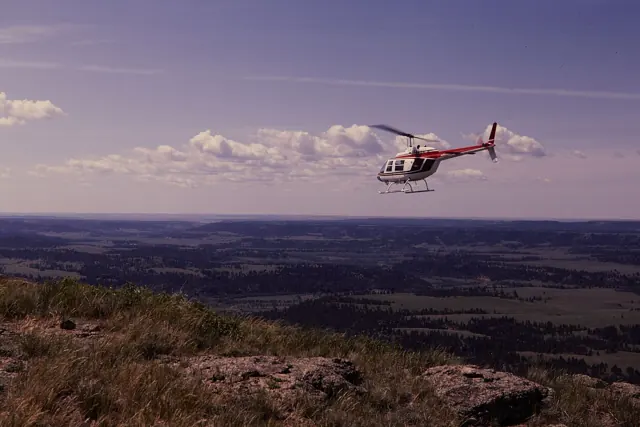
A compact twin-engine helicopter widely used for medical, police and training work.
A piston-powered light-helicopter family used for training, observation and utility work.
A modern medium twin-engine helicopter developed as a successor to the Dauphin line.
A five-seat turbine helicopter developed from Robinson's smaller piston-helicopter line.
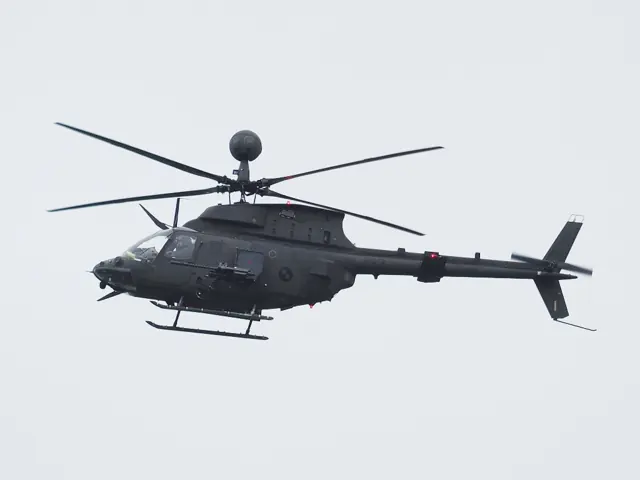
An Army scout helicopter developed into the sensor-equipped Kiowa Warrior.
The Kaman K-MAX is a helicopter designed specifically for repetitive external-load work.
Naval and Coast Guard helicopters represented by the MH-60S, MH-60R and MH-60T.
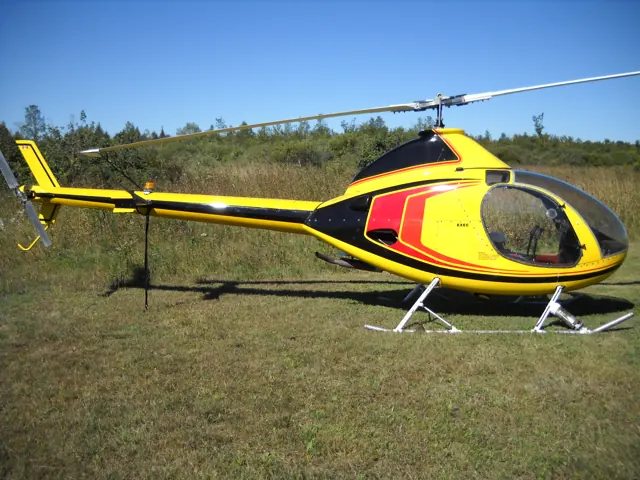
RotorWay's two-seat kit-helicopter family, with piston and turbine simulator interpretations.
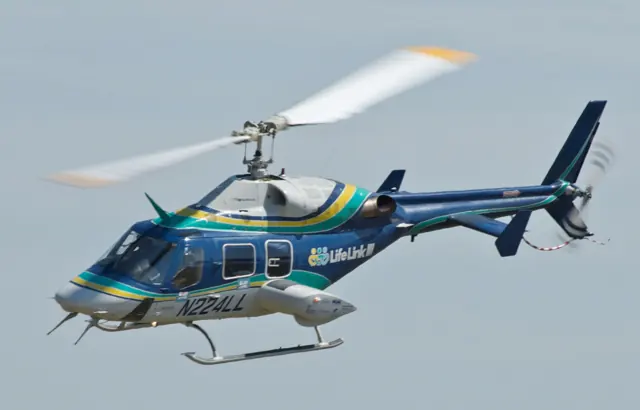
A streamlined light twin helicopter, with the later Bell 230 in the same family.
A light two-seat helicopter with a side-by-side cabin and a semi-rigid main rotor.
A medium commercial helicopter designed for passenger and utility transport.
An experimental French helicopter with two coaxial, counter-rotating rotors.
A single-seat helicopter originally developed as a homebuilt kit.
The twin-engine AW139 with a five-blade main rotor and retractable gear.
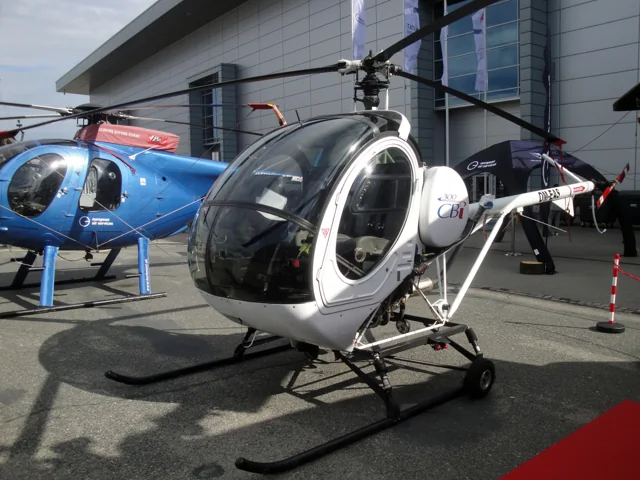
A light helicopter family closely associated with flight training.
Hydraulically assisted cyclic controls with selected friction and trim behaviour, plus two-blade rotor cues.
A twin-engine helicopter using MD Helicopters’ NOTAR anti-torque system.
A heavy transport helicopter whose two large rotors remove the need for a tail rotor.
New aircraft, useful sources and improvements to AirframeDB. Occasional updates, when there’s something to share.