MSFS
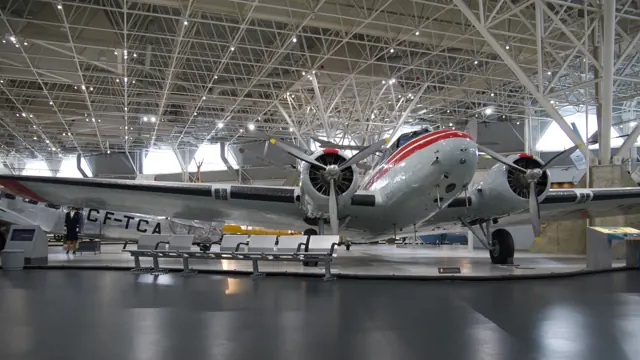
Boeing 247-D ↗
A 1930s airliner variant with controllable-pitch propellers and wing de-icer boots.
1 implementations+ Compare
Explore the aircraft. Find your simulator. Follow the sources.
A 1930s airliner variant with controllable-pitch propellers and wing de-icer boots.
A four-engine airliner that brought pressurised-cabin travel into scheduled service.
A four-engine jetliner that helped establish the shape of long-distance jet travel.
A rear-engined trijet built to bring jet service to shorter routes and smaller airports.
Artificial pitch q-feel, spring-and-cam roll resistance, autopilot column following and a stick shaker.
Hydraulically powered controls with artificial yoke feel, autopilot backdrive and a stick shaker.
A narrow-body twin developed as a new generation of medium-range airliner.
A twin-aisle Boeing designed alongside the 757's generation of two-pilot flight decks.
A large long-haul twin that introduced Boeing's first commercial fly-by-wire airliner flight controls.
A long-range twin whose programme emphasised composite construction and more electrically powered systems.
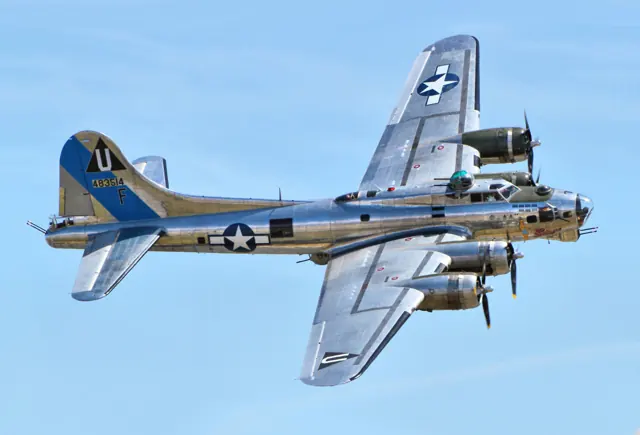
The four-engine Flying Fortress, a major American bomber of the Second World War.
A long-range strategic bomber with a swept wing and eight jet engines in paired pods.
A jet-powered military transport designed for both strategic loads and tactical airfield access.
A heavy transport helicopter whose two large rotors remove the need for a tail rotor.
A carrier-capable multirole fighter, larger than the earlier Hornet from which it developed.
An all-metal monoplane fighter that retained an open cockpit and fixed landing gear.
New aircraft, useful sources and improvements to AirframeDB. Occasional updates, when there’s something to share.