X-Plane
Epic Victory ↗
Epic's experimental light-jet project, represented in simulation by Aerobask.
1 implementations+ Compare
Explore the aircraft. Find your simulator. Follow the sources.
Epic's experimental light-jet project, represented in simulation by Aerobask.
A two-seat composite light-aircraft family with a high wing and a compact enclosed cabin.
A military transport developed from the DC-3, used for cargo, troops, parachuting and glider towing.
A cabin biplane with the lower wing placed ahead of the upper one.
A Canadian tandem-seat trainer developed after the Second World War.
A single-engine utility helicopter known as the Écureuil, Squirrel and AStar.
A four-engine Airbus wide-body developed in parallel with the A330.
A three-engine airliner that became a mainstay of Soviet and Russian passenger transport.
Regional flying built around a high wing, two turboprops and short sectors.
A short-field Savage with leading-edge slats and a distinct Got Friends simulator implementation.
A high-wing utility aircraft known for short-field work and a broad choice of working configurations.
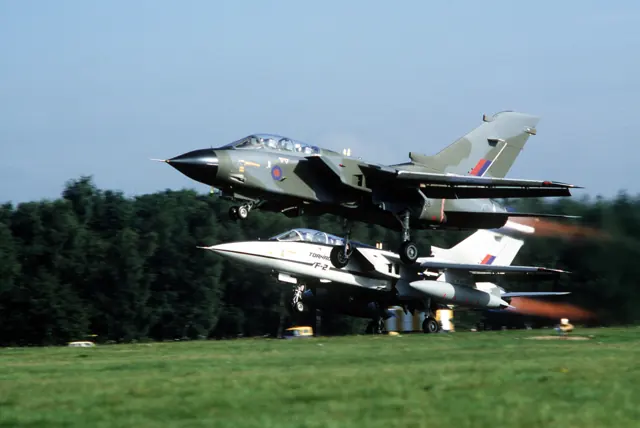
A European variable-sweep combat-aircraft family with distinct strike and interceptor versions.
A two-seat light amphibian with a compact boat hull and a pusher propeller.
A corrugated-metal transport best known in its three-engine form.
A compact aerobatic biplane family with both single-seat and tandem-seat branches.
The fixed-gear, six-cylinder touring branch of Piper's PA-28 family.
A box-shaped utility twin whose cabin and rear access are central to its design.
A utility-aircraft family whose stretched 207 branch trades compact proportions for more cabin space.
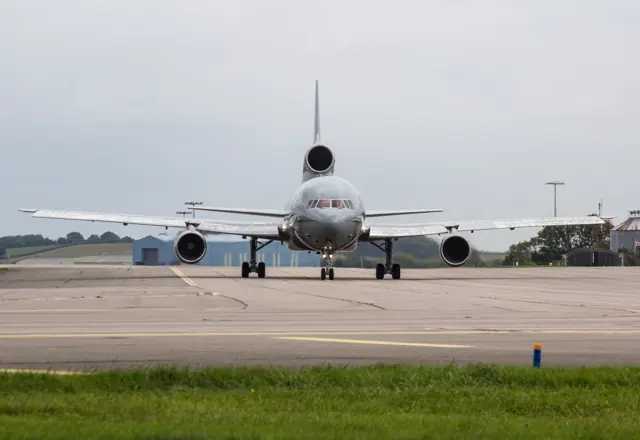
Lockheed's wide-body TriStar, with three RB211 engines and a distinctive tail intake.
A light business jet with a swept wing, rear-mounted engines and an integrated flight deck.
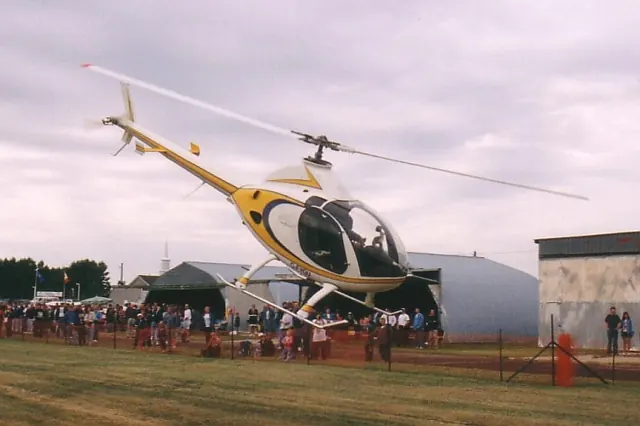
RotorWay's two-seat kit-helicopter family, with piston and turbine simulator interpretations.
A twin-radial airliner that helped make practical passenger transport a regular business.
A Swedish reconnaissance and dive-bombing aircraft from the early 1940s.
A heavy transport helicopter whose two large rotors remove the need for a tail rotor.
This is AirframeDB’s first release. More features and aircraft research are planned. Leave your email if you’d like occasional updates.