X-Plane
McDonnell Douglas AV-8B Harrier II ↗
The second-generation Harrier, designed around vectored thrust and short-field operation.
1 implementations+ Compare
Explore the aircraft. Find your simulator. Follow the sources.
The second-generation Harrier, designed around vectored thrust and short-field operation.
A family of single-aisle airliners built around sidesticks, electronic flight controls and a shared cockpit.
A six-seat composite single turboprop with a pressurised cabin and retractable gear.
Mooney's four-seat piston family, developed through many touring-aircraft variants.
A two-seat training single with a high wing and fixed tricycle landing gear.
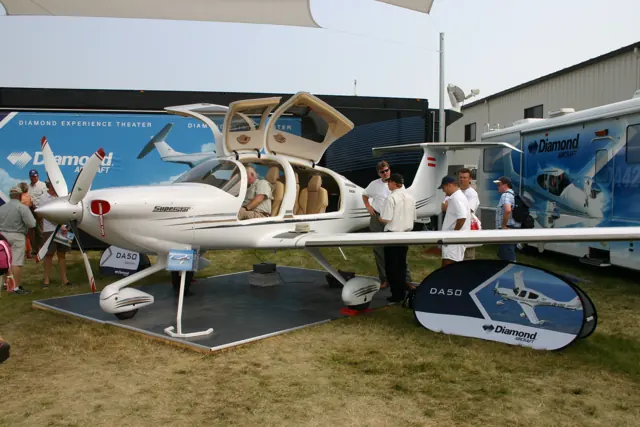
A five-seat composite single whose development led to the diesel DA50 RG.
A rear-engined trijet built to bring jet service to shorter routes and smaller airports.
A British utility twin built around short regional and practical transport work.
A DC-10-derived tanker that combined aerial refuelling with passenger and cargo transport.
Epic's experimental light-jet project, represented in simulation by Aerobask.
SOCATA's touring-aircraft family, including the Tobago and Trinidad.
The four-engine Flying Fortress, a major American bomber of the Second World War.
A specialised reconnaissance aircraft designed for very high altitude and sustained supersonic flight.
A stretched development of the DC-9 with rear-mounted engines and a five-abreast cabin.
A large long-haul twin that introduced Boeing's first commercial fly-by-wire airliner flight controls.
A short-haul jet family that evolved through several generations of engines, wings and flight decks.
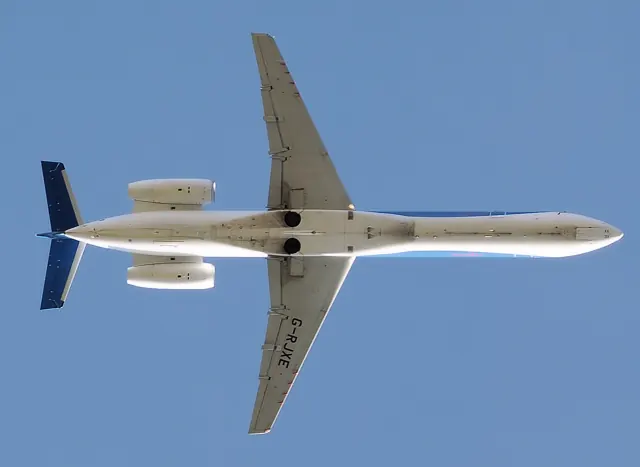
Embraer's regional-jet family, from the ERJ 135 to the longer ERJ 145.
The Mitchell medium bomber, named for aviation advocate Billy Mitchell.
A personal jet with one engine above the rear fuselage and a distinctive V-tail.
A wide-cabin business-jet family that developed from Canadair's original Challenger programme.
A tandem-seat utility aircraft whose light structure and high wing suit bush, towing and recreational work.
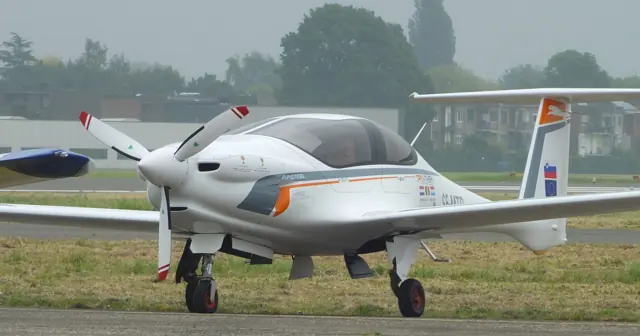
Pipistrel's streamlined four-seat composite-aircraft design.
A composite, low-wing touring single with fixed gear and a turbocharged engine.
A push-pull twin with one engine at each end of the central fuselage.
This is AirframeDB’s first release. More features and aircraft research are planned. Leave your email if you’d like occasional updates.