MSFS X-Plane
Cirrus Vision SF50 ↗
A personal jet with one engine above the rear fuselage and a distinctive V-tail.
3 implementations+ Compare
Explore the aircraft. Find your simulator. Follow the sources.
A personal jet with one engine above the rear fuselage and a distinctive V-tail.
Tecnam's four-seat high-wing single, built with metal and carbon-fibre components.
A DC-10-derived tanker that combined aerial refuelling with passenger and cargo transport.
A cabin-class piston twin designed for commuter, cargo and utility work.
A twin-hull flying boat with its engines mounted together above the wing.
A two-seat, twin-engine fighter that served naval and land-based air forces in many roles.
A long-range trijet developed from the DC-10 with a stretched fuselage and revised wing and cockpit.
A wartime fighter developed from the earlier Curtiss P-36.
A rear-engined trijet built to bring jet service to shorter routes and smaller airports.
A narrow-body twin developed as a new generation of medium-range airliner.
A compact racing aeroplane built around a large radial engine and very short fuselage.
A tandem two-seat sailplane family used for training and cross-country soaring.
A Brazilian light trainer with a high wing, tandem seats and a simple utility layout.
A small twin-engine amphibian that moved from business transport into military and utility service.
A 1920s flying boat with two engines arranged in tandem above the wing.
A modern composite twin with a roomy cabin and two wing-mounted piston engines.
A four-engine airliner that brought pressurised-cabin travel into scheduled service.
A high-wing twin turboprop developed for regional freight and passenger transport.
A post-war Businessliner with a radial engine, cabin transport ambitions and tailwheel gear.
A heavy-lift helicopter built around an open frame and an external working load.
The Wilga is the real-aircraft starting point for Mike Patey's DRACO and the simulator's DRACO X.
A pressurised single turboprop with a large cargo door and a broad range of working roles.
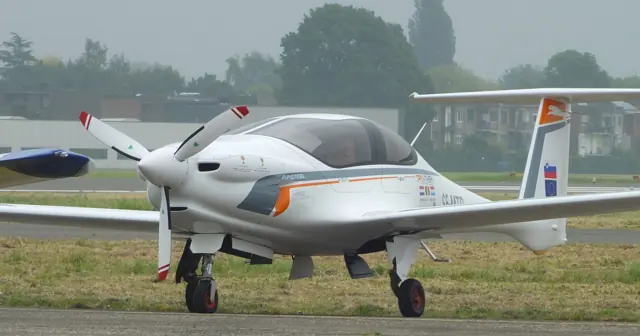
Pipistrel's streamlined four-seat composite-aircraft design.
A stretched development of the DC-9 with rear-mounted engines and a five-abreast cabin.
This is AirframeDB’s first release. More features and aircraft research are planned. Leave your email if you’d like occasional updates.