X-Plane
Aero-Works Aerolite 103 ↗
An open, single-seat ultralight with its propeller behind the pilot.
2 implementations+ Compare
Explore the aircraft. Find your simulator. Follow the sources.
An open, single-seat ultralight with its propeller behind the pilot.
A two-seat composite trainer with a low wing and a large canopy.
A family of single-aisle airliners built around sidesticks, electronic flight controls and a shared cockpit.
Piper's PA-31 utility twin, used in commuter, cargo and corporate transport.
A cabin biplane with the lower wing placed ahead of the upper one.
A lightweight short-field aircraft with a specialised wing and tall, shock-absorbing landing gear.
A huge wooden flying-boat prototype that made one brief flight in 1947.
A tandem two-seat sailplane family used for training and cross-country soaring.
Airbus's first production aircraft, built around a twin-engine wide-body layout.
A rear-engined trijet built to bring jet service to shorter routes and smaller airports.
A corrugated-metal transport best known in its three-engine form.
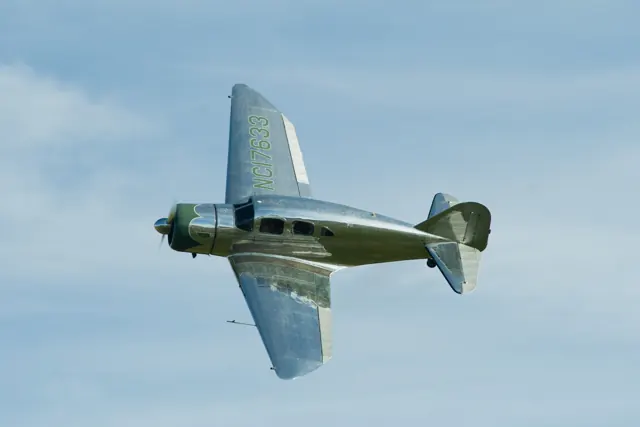
A late-1930s cabin aircraft with metal construction and retractable landing gear.
A single-engine turboprop workhorse for passenger services, freight and remote-area transport.
A tandem-seat jet trainer that also found a second life in civilian display and racing.
A compact Czech touring aircraft with side-by-side seats and a streamlined low-wing airframe.
A long-haul twin whose family spans passenger, freight and specialist transport roles.
The four-engine wide-body whose raised flight deck created one of aviation's most recognisable profiles.
A compact Italian light twin with a shoulder wing and metal airframe.
A wide-cabin business-jet family that developed from Canadair's original Challenger programme.
A single-seat aerobatic monoplane that also became a familiar air-racing aircraft.
A purpose-built aerobatic monoplane family developed by pilot and designer Walter Extra.
A short-field Savage with leading-edge slats and a distinct Got Friends simulator implementation.
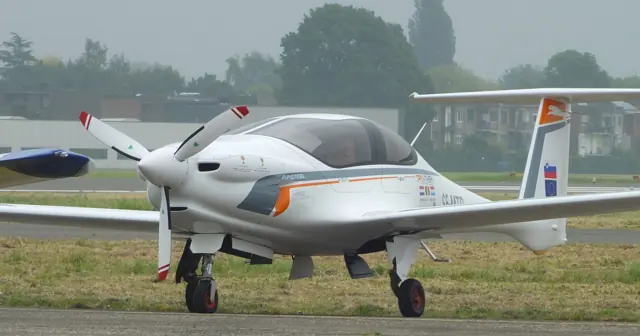
Pipistrel's streamlined four-seat composite-aircraft design.
A utility-aircraft family whose stretched 207 branch trades compact proportions for more cabin space.
This is AirframeDB’s first release. More features and aircraft research are planned. Leave your email if you’d like occasional updates.