X-Plane
McDonnell Douglas F-4 Phantom II ↗
A two-seat, twin-engine fighter that served naval and land-based air forces in many roles.
2 implementations+ Compare
Explore the aircraft. Find your simulator. Follow the sources.
A two-seat, twin-engine fighter that served naval and land-based air forces in many roles.
A very light twin jet developed from the Eclipse 500.
An open-cockpit biplane trainer that found a second life in civilian flying.
A light tandem-seat taildragger built around the familiar braced high-wing layout.
A fixed-wing observation aircraft with a helicopter-like view from its glazed nose.
A tailwheel utility single built around a high wing and a substantial working cabin.
A short-haul jet family that evolved through several generations of engines, wings and flight decks.
Ted Smith's piston twin, later produced by Piper as the Aerostar.
A DC-10-derived tanker that combined aerial refuelling with passenger and cargo transport.
A small observation-helicopter family with a rounded cabin and compact rotor system.
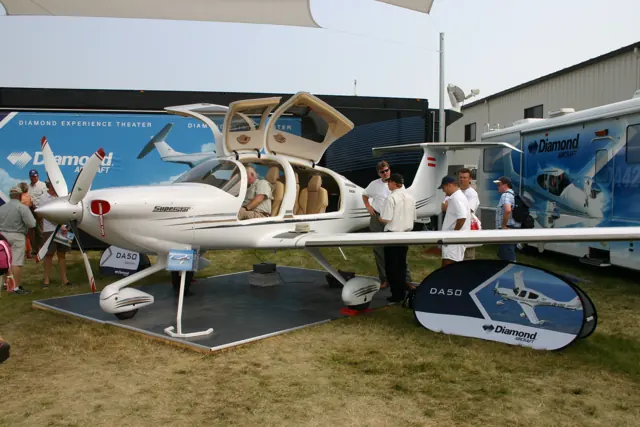
A five-seat composite single whose development led to the diesel DA50 RG.
A four-engine airliner whose history also includes long-range maritime military service.
A high-wing utility aircraft known for short-field work and a broad choice of working configurations.
A corrugated-metal, three-engine transport from the formative years of airline travel.
A long-range twin designed around a new wide-body airframe and extensive composite construction.
A four-engine Airbus wide-body developed in parallel with the A330.
Airbus's first production aircraft, built around a twin-engine wide-body layout.
A super-midsize business jet with a swept wing, rear-mounted engines and an integrated glass cockpit.
A military liaison aircraft built around a high wing, tandem cabin and short-field utility work.
A small two-seat piston helicopter with a two-bladed main rotor.
Dassault's long-range Falcon 8X, developed from the three-engine 7X.
The CJ4 belongs to Cessna's light-jet line, with two rear-mounted engines and a T-tail.
A four-engine jetliner that helped establish the shape of long-distance jet travel.
The Wilga is the real-aircraft starting point for Mike Patey's DRACO and the simulator's DRACO X.
This is AirframeDB’s first release. More features and aircraft research are planned. Leave your email if you’d like occasional updates.