MSFS
Focke-Wulf Fw 200 Condor ↗
A four-engine airliner whose history also includes long-range maritime military service.
1 implementations+ Compare
Explore the aircraft. Find your simulator. Follow the sources.
A four-engine airliner whose history also includes long-range maritime military service.
A wartime fighter developed from the earlier Curtiss P-36.
A streamlined twin-engine helicopter with a Fenestron tail rotor and retractable landing gear.
A compact two-seat light aircraft with a high wing and a wide range of development variants.
A large long-haul twin that introduced Boeing's first commercial fly-by-wire airliner flight controls.
A stretched development of the DC-9 with rear-mounted engines and a five-abreast cabin.
A post-war Czech light twin with a rounded cabin and engines carried on a low wing.
A post-war Businessliner with a radial engine, cabin transport ambitions and tailwheel gear.
A tandem-seat utility aircraft whose light structure and high wing suit bush, towing and recreational work.
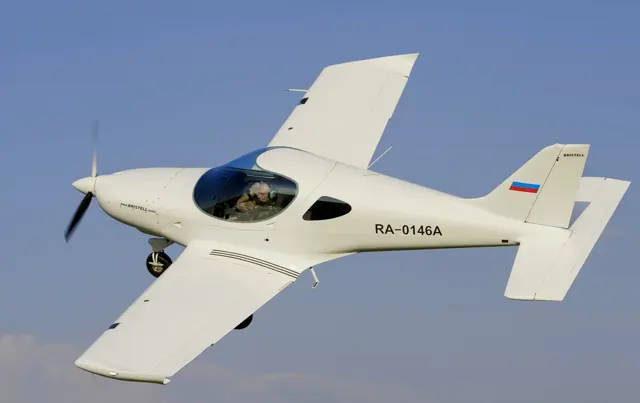
BRM Aero's two-seat B23, represented in MSFS by Airfoillabs.
Diamond's four-seat light twin, developed with diesel-powered versions.
Piper's PA-31 utility twin, used in commuter, cargo and corporate transport.
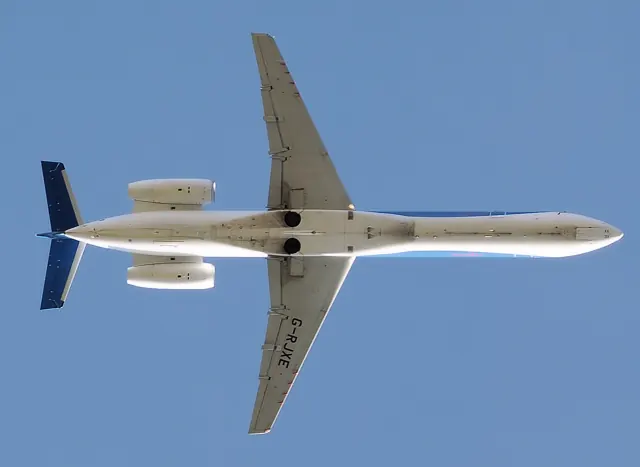
Embraer's regional-jet family, from the ERJ 135 to the longer ERJ 145.
Cessna's unusual piston-powered helicopter, marketed as the Skyhook.
A Canadian tandem-seat trainer developed after the Second World War.
A twin-radial military transport with a rear ramp and short-field design priorities.
A jet-powered military transport designed for both strategic loads and tactical airfield access.
TorqueSim's Pocket Rocket, a simulated PT6-powered light aircraft with two gear layouts.
A pressurised single-engine turboprop family that combines a compact cabin with retractable gear.
A streamlined light twin helicopter, with the later Bell 230 in the same family.
Beechcraft's Model 76, designed to introduce pilots to twin-engine flying.
A two-seat composite kit aircraft developed from the Lancair 320.
A heavy transport helicopter whose two large rotors remove the need for a tail rotor.
This is AirframeDB’s first release. More features and aircraft research are planned. Leave your email if you’d like occasional updates.