MSFS
CAP 4 Paulistinha ↗
A Brazilian light trainer with a high wing, tandem seats and a simple utility layout.
1 implementations+ Compare
Explore the aircraft. Find your simulator. Follow the sources.
A Brazilian light trainer with a high wing, tandem seats and a simple utility layout.
A small observation-helicopter family with a rounded cabin and compact rotor system.
A DC-10-derived tanker that combined aerial refuelling with passenger and cargo transport.
A vast inter-war flying boat with twelve engines arranged in six paired installations.
A low-wing piston twin that carries the Beechcraft touring-aircraft lineage into two-engine flying.
A turbine-powered utility helicopter with a broad cabin and a long international service history.
A light business jet with a swept wing, rear-mounted engines and an integrated flight deck.
The H130 utility helicopter, descended from the AS350 and fitted with a Fenestron.
The four-engine wide-body whose raised flight deck created one of aviation's most recognisable profiles.
A high-wing utility aircraft known for short-field work and a broad choice of working configurations.
A long-running touring single, familiar in both V-tail and conventional-tail forms.
A carrier-capable multirole fighter, larger than the earlier Hornet from which it developed.
A shorter wide-body Airbus from the transition to two-pilot, electronic-instrument cockpits.
A side-by-side two-seat sailplane with a retractable powerplant for self-launching.
SOCATA's touring-aircraft family, including the Tobago and Trinidad.
A pressurised single-engine turboprop family that combines a compact cabin with retractable gear.
A post-war Czech light twin with a rounded cabin and engines carried on a low wing.
A small twin-engine amphibian that moved from business transport into military and utility service.
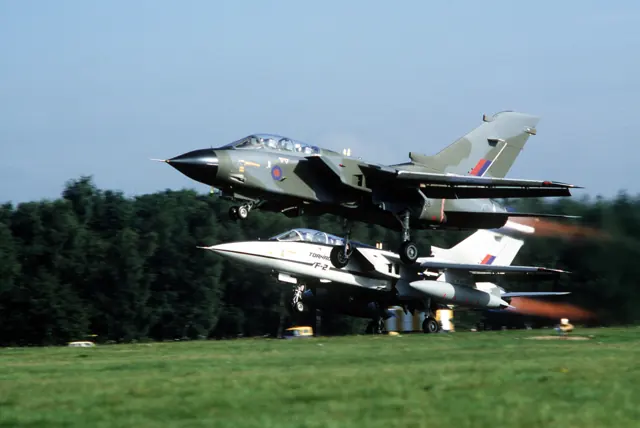
A European variable-sweep combat-aircraft family with distinct strike and interceptor versions.
A pressurised four-engine piston transport from the last major generation before the jet airliner.
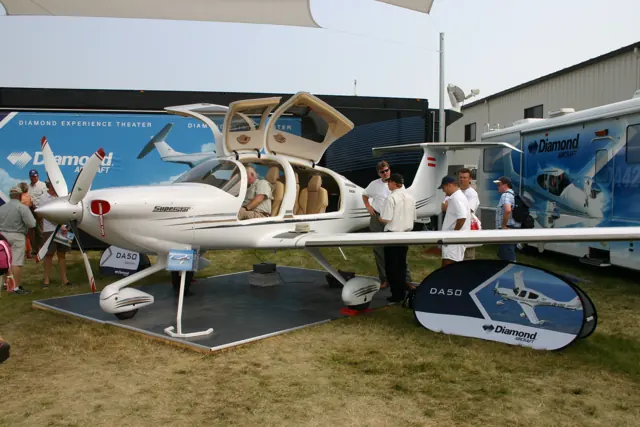
A five-seat composite single whose development led to the diesel DA50 RG.
A self-launching sailplane family with its engine inside the fuselage and a folding nose propeller.
A push-pull twin with one engine at each end of the central fuselage.
The second-generation Harrier, designed around vectored thrust and short-field operation.
This is AirframeDB’s first release. More features and aircraft research are planned. Leave your email if you’d like occasional updates.