X-Plane
Lancair Evolution ↗
A four-seat, pressurised kit aircraft with a composite airframe and retractable landing gear.
1 implementations+ Compare
Explore the aircraft. Find your simulator. Follow the sources.
A four-seat, pressurised kit aircraft with a composite airframe and retractable landing gear.
A high-wing utility aircraft known for short-field work and a broad choice of working configurations.
A low-wing piston twin that carries the Beechcraft touring-aircraft lineage into two-engine flying.
An enlarged Velocity kit aircraft with a canard and rear-mounted pusher propeller.
A purpose-built agricultural aircraft that also became a single-engine air tanker.
A purpose-built aerobatic monoplane family developed by pilot and designer Walter Extra.
A composite, low-wing touring single with fixed gear and a turbocharged engine.
A rear-engined trijet built to bring jet service to shorter routes and smaller airports.
A modern composite twin with a roomy cabin and two wing-mounted piston engines.
A long-range trijet developed from the DC-10 with a stretched fuselage and revised wing and cockpit.
A short-haul jet family that evolved through several generations of engines, wings and flight decks.
A post-war Businessliner with a radial engine, cabin transport ambitions and tailwheel gear.
A very large single-engine biplane designed for practical work from modest airfields.
A five-seat turbine helicopter developed from Robinson's smaller piston-helicopter line.
An unpowered military cargo glider designed to deliver troops and equipment behind a tow aircraft.
A long-range twin whose programme emphasised composite construction and more electrically powered systems.
A corrugated-metal transport best known in its three-engine form.
A twin-hull flying boat with its engines mounted together above the wing.
A twin-radial military transport with a rear ramp and short-field design priorities.
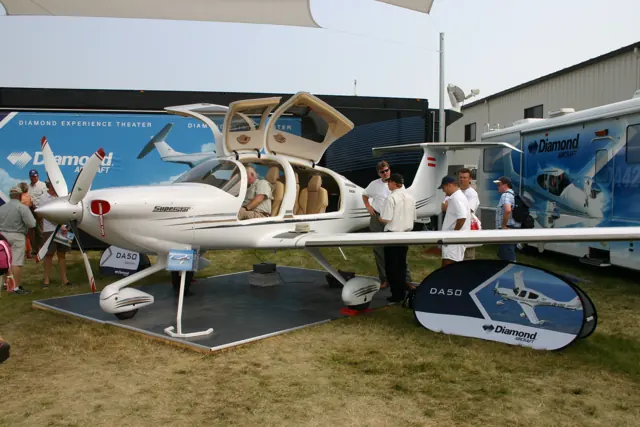
A five-seat composite single whose development led to the diesel DA50 RG.
A narrow-body twin developed as a new generation of medium-range airliner.
A small three-engine demonstrator created to explore technologies for a future supersonic airliner.
The purpose-built Ryan monoplane used by Charles Lindbergh for his 1927 solo Atlantic crossing.
A self-launching sailplane family with its engine inside the fuselage and a folding nose propeller.
This is AirframeDB’s first release. More features and aircraft research are planned. Leave your email if you’d like occasional updates.