X-Plane
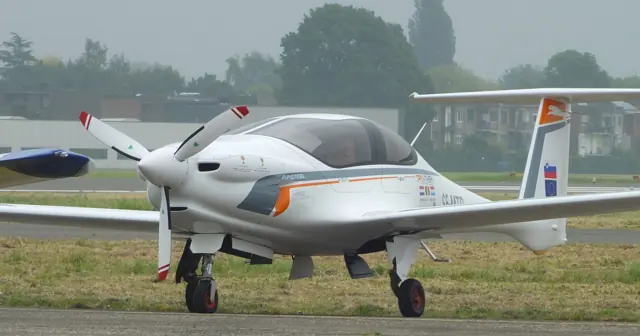
Pipistrel Panthera ↗
Pipistrel's streamlined four-seat composite-aircraft design.
1 implementations+ Compare
Explore the aircraft. Find your simulator. Follow the sources.
Pipistrel's streamlined four-seat composite-aircraft design.
A compact twin-engine transport helicopter with retractable gear and a long development history.
A long-running touring single, familiar in both V-tail and conventional-tail forms.
A military liaison aircraft built around a high wing, tandem cabin and short-field utility work.
A small two-seat piston helicopter with a two-bladed main rotor.
The Mitchell medium bomber, named for aviation advocate Billy Mitchell.
An advanced trainer known around the world as the Texan, Harvard and SNJ.
A short-haul jet family that evolved through several generations of engines, wings and flight decks.
A light turbine helicopter combining an Alouette II airframe with more powerful Alouette III components.
A modern composite twin with a roomy cabin and two wing-mounted piston engines.
A Canadian tandem-seat trainer developed after the Second World War.
The Stationair utility family, combining a high wing with fixed landing gear.
A swept-wing business jet designed around high subsonic cruise speed.
A two-seat composite trainer with a low wing and a large canopy.
A three-engine airliner that became a mainstay of Soviet and Russian passenger transport.
A four-seat kit-built touring aircraft that expanded the RV family beyond two-seat designs.
The JetRanger and LongRanger family: a familiar turbine-helicopter shape with distinct cabin lengths.
Cirrus's first type-certified aircraft, a composite piston single.
A radial-engined utility aircraft closely associated with bush flying and float operations.
Diamond's four-seat light twin, developed with diesel-powered versions.
A pressurised single turboprop with a large cargo door and a broad range of working roles.
Dassault's long-range Falcon 8X, developed from the three-engine 7X.
Piper's PA-31 utility twin, used in commuter, cargo and corporate transport.
A heavy transport helicopter whose two large rotors remove the need for a tail rotor.
This is AirframeDB’s first release. More features and aircraft research are planned. Leave your email if you’d like occasional updates.








































