MSFS
Hughes H-4 Hercules ↗
A huge wooden flying-boat prototype that made one brief flight in 1947.
2 implementations+ Compare
Explore the aircraft. Find your simulator. Follow the sources.
A huge wooden flying-boat prototype that made one brief flight in 1947.
A push-pull twin with one engine at each end of the central fuselage.
A carrier-capable multirole fighter, larger than the earlier Hornet from which it developed.
A light business jet with a swept wing, rear-mounted engines and an integrated flight deck.
A post-war Businessliner with a radial engine, cabin transport ambitions and tailwheel gear.
An enclosed, two-seat autogyro with side-by-side seating and a pusher propeller.
The fixed-gear, six-cylinder touring branch of Piper's PA-28 family.
The four-engine wide-body whose raised flight deck created one of aviation's most recognisable profiles.
A personal jet with one engine above the rear fuselage and a distinctive V-tail.
A four-bladed utility helicopter developed from the LongRanger lineage.
A two-seat light amphibian with a compact boat hull and a pusher propeller.
Two related Dutch regional jets developed from the F28 lineage.
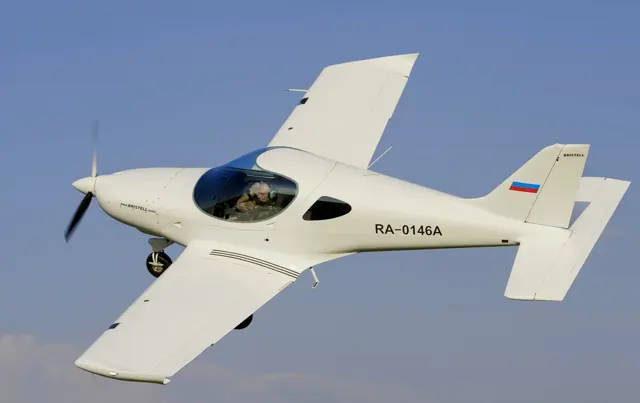
BRM Aero's two-seat B23, represented in MSFS by Airfoillabs.
The four-engine Flying Fortress, a major American bomber of the Second World War.
An Italian light aircraft known for military training and aerobatic use.
The JetRanger and LongRanger family: a familiar turbine-helicopter shape with distinct cabin lengths.
A tailwheel utility single built around a high wing and a substantial working cabin.
A twin-turboprop regional airliner developed through Swedish and American industrial cooperation.
A four-seat high-wing single that spans generations of conventional instruments and glass cockpits.
A British utility twin built around short regional and practical transport work.
Lockheed's tandem-seat Shooting Star jet trainer.
The Mitchell medium bomber, named for aviation advocate Billy Mitchell.
A compact utility helicopter distinguished by its enclosed Fenestron tail rotor.
A wooden touring-aircraft family recognisable by the upward-angled outer wing panels.
This is AirframeDB’s first release. More features and aircraft research are planned. Leave your email if you’d like occasional updates.