MSFS
Boeing 787-10 Dreamliner ↗
A long-range twin whose programme emphasised composite construction and more electrically powered systems.
2 implementations+ Compare
Explore the aircraft. Find your simulator. Follow the sources.
A long-range twin whose programme emphasised composite construction and more electrically powered systems.
A purpose-built aerobatic monoplane family developed by pilot and designer Walter Extra.
A wartime fighter developed from the earlier Curtiss P-36.
A pressurised single turboprop with a large cargo door and a broad range of working roles.
The purpose-built Ryan monoplane used by Charles Lindbergh for his 1927 solo Atlantic crossing.
Beechcraft's Model 76, designed to introduce pilots to twin-engine flying.
A light business jet with a swept wing, rear-mounted engines and an integrated flight deck.
A box-shaped utility twin whose cabin and rear access are central to its design.
A twin-aisle Boeing designed alongside the 757's generation of two-pilot flight decks.
A four-engine tactical transport built around a rear loading ramp and access to austere airfields.
A jet-powered military transport designed for both strategic loads and tactical airfield access.
A compact utility helicopter distinguished by its enclosed Fenestron tail rotor.
The second-generation Harrier, designed around vectored thrust and short-field operation.
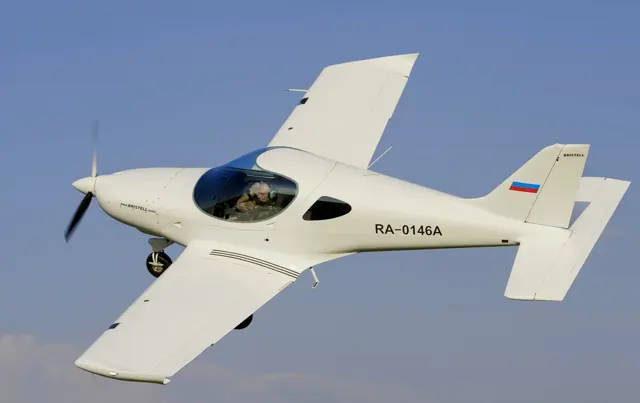
BRM Aero's two-seat B23, represented in MSFS by Airfoillabs.
A compact two-seat light aircraft with a high wing and a wide range of development variants.
A long-range trijet developed from the DC-10 with a stretched fuselage and revised wing and cockpit.
A high-wing utility turboprop designed for short-field passenger and cargo work.
Piper's two-seat trainer with fixed tricycle landing gear.
A corrugated-metal, three-engine transport from the formative years of airline travel.
A compact aerobatic biplane family with both single-seat and tandem-seat branches.
A close-air-support aircraft with a straight wing, twin tail and two widely separated jet engines.
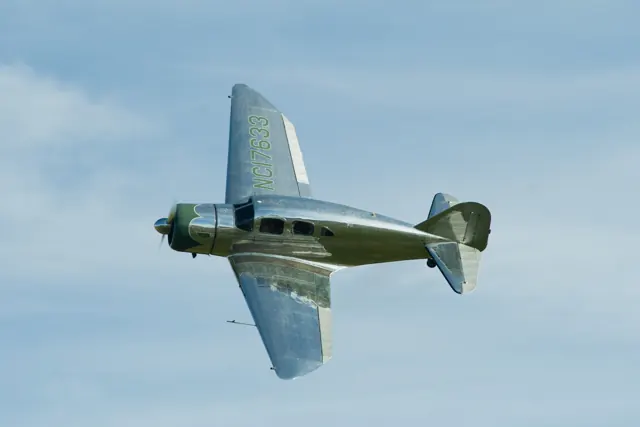
A late-1930s cabin aircraft with metal construction and retractable landing gear.
A Canadian tandem-seat trainer developed after the Second World War.
A shorter wide-body Airbus from the transition to two-pilot, electronic-instrument cockpits.
This is AirframeDB’s first release. More features and aircraft research are planned. Leave your email if you’d like occasional updates.