MSFS
DG Aviation LS8-18 ↗
A single-seat competition sailplane offered in Standard and 18-metre configurations.
2 implementations+ Compare
Explore the aircraft. Find your simulator. Follow the sources.
A single-seat competition sailplane offered in Standard and 18-metre configurations.
An enlarged Velocity kit aircraft with a canard and rear-mounted pusher propeller.
A small observation-helicopter family with a rounded cabin and compact rotor system.
A post-war Czech light twin with a rounded cabin and engines carried on a low wing.
An enclosed, two-seat autogyro with side-by-side seating and a pusher propeller.
A high-wing twin turboprop developed for regional freight and passenger transport.
A twin-radial military transport with a rear ramp and short-field design priorities.
A long-range fighter whose different engine and canopy developments produced several distinct forms.
A 1920s flying boat with two engines arranged in tandem above the wing.
The Wilga is the real-aircraft starting point for Mike Patey's DRACO and the simulator's DRACO X.
The purpose-built Ryan monoplane used by Charles Lindbergh for his 1927 solo Atlantic crossing.
Two related Dutch regional jets developed from the F28 lineage.
A six-engine flying boat created for long-distance passenger travel over water.
A pioneering all-metal transport with an enclosed passenger cabin and corrugated skin.
A twin-turbine Huey descendant with a four-blade main rotor.
A modern composite twin with a roomy cabin and two wing-mounted piston engines.
A long-range twin whose programme emphasised composite construction and more electrically powered systems.
A French two-seat aerobatic trainer with side-by-side seating and a distinctive curved wing outline.
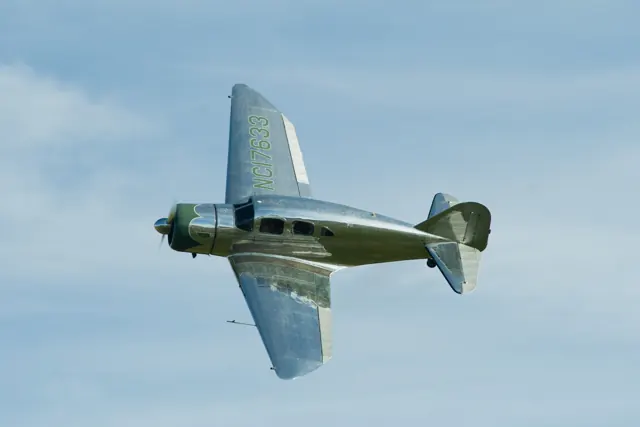
A late-1930s cabin aircraft with metal construction and retractable landing gear.
A twin-engine business jet designed to retain some of the utility flexibility associated with the PC-12.
A tandem-seat utility aircraft whose light structure and high wing suit bush, towing and recreational work.
A Swedish reconnaissance and dive-bombing aircraft from the early 1940s.
A high-wing utility aircraft known for short-field work and a broad choice of working configurations.
Tecnam's four-seat high-wing single, built with metal and carbon-fibre components.
This is AirframeDB’s first release. More features and aircraft research are planned. Leave your email if you’d like occasional updates.