MSFS
DG Aviation DG-1001E ↗
A tandem two-seat sailplane family used for training and cross-country soaring.
2 implementations+ Compare
Explore the aircraft. Find your simulator. Follow the sources.
A tandem two-seat sailplane family used for training and cross-country soaring.
A four-bladed utility helicopter developed from the LongRanger lineage.
A push-pull twin with one engine at each end of the central fuselage.
A heavy transport helicopter whose two large rotors remove the need for a tail rotor.
A tandem two-seat sailplane designed for instruction and broader soaring use.
A four-engine airliner whose history also includes long-range maritime military service.
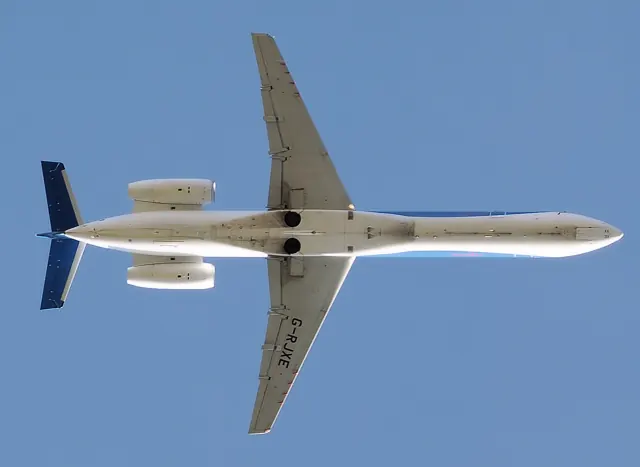
Embraer's regional-jet family, from the ERJ 135 to the longer ERJ 145.
A compact Italian light twin with a shoulder wing and metal airframe.
A military liaison aircraft built around a high wing, tandem cabin and short-field utility work.
A midsize business jet developed by Bombardier’s Learjet division.
A twin-turbine Huey descendant with a four-blade main rotor.
An Italian light aircraft known for military training and aerobatic use.
A light turbine helicopter whose land-based Scout and naval Wasp branches served different jobs.
A Polish utility aircraft designed for short takeoffs and landings.
Epic's experimental light-jet project, represented in simulation by Aerobask.
A two-seat naval fighter with variable-sweep wings and a cockpit built around pilot and radar-intercept officer roles.
Mooney's four-seat piston family, developed through many touring-aircraft variants.
A 1920s flying boat with two engines arranged in tandem above the wing.
A three-engine airliner that became a mainstay of Soviet and Russian passenger transport.
Cirrus's first type-certified aircraft, a composite piston single.
Regional flying built around a high wing, two turboprops and short sectors.
The CJ4 belongs to Cessna's light-jet line, with two rear-mounted engines and a T-tail.
A Canadian tandem-seat trainer developed after the Second World War.
A modern utility single whose family includes both tailwheel and nosewheel configurations.
This is AirframeDB’s first release. More features and aircraft research are planned. Leave your email if you’d like occasional updates.