X-Plane
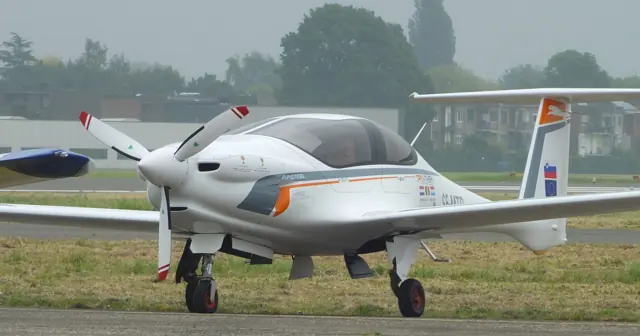
Shark.Aero Shark ↗
A tandem-seat light aircraft with a streamlined low-wing layout.
1 implementations+ Compare
Explore the aircraft. Find your simulator. Follow the sources.
A tandem-seat light aircraft with a streamlined low-wing layout.
A four-seat high-wing single that spans generations of conventional instruments and glass cockpits.
A low-wing piston family that spans simple trainers, touring aircraft and retractable-gear Arrows.
A two-seat, twin-engine fighter that served naval and land-based air forces in many roles.
A wide-cabin business-jet family that developed from Canadair's original Challenger programme.
A long-haul twin whose family spans passenger, freight and specialist transport roles.
A British jet trainer with tandem seating and a long military training career.
A long-range strategic bomber with a swept wing and eight jet engines in paired pods.
A very light twin jet developed from the Eclipse 500.
Pipistrel's streamlined four-seat composite-aircraft design.
A two-seat training single with a high wing and fixed tricycle landing gear.
A regional turboprop family whose short early versions and larger Q400 have different proportions and systems.
Dassault's long-range Falcon 8X, developed from the three-engine 7X.
A heavy transport helicopter whose two large rotors remove the need for a tail rotor.
The Mitchell medium bomber, named for aviation advocate Billy Mitchell.
Piper's two-seat trainer with fixed tricycle landing gear.
SOCATA's touring-aircraft family, including the Tobago and Trinidad.
A DC-10-derived tanker that combined aerial refuelling with passenger and cargo transport.
A high-wing utility aircraft known for short-field work and a broad choice of working configurations.
A tandem two-seat sailplane designed for instruction and broader soaring use.
An Italian light aircraft known for military training and aerobatic use.
A short-haul jet family that evolved through several generations of engines, wings and flight decks.
A four-engine Airbus wide-body developed in parallel with the A330.
A personal jet with one engine above the rear fuselage and a distinctive V-tail.
This is AirframeDB’s first release. More features and aircraft research are planned. Leave your email if you’d like occasional updates.