MSFS
Draco X ↗
The Wilga is the real-aircraft starting point for Mike Patey's DRACO and the simulator's DRACO X.
1 implementations+ Compare
Explore the aircraft. Find your simulator. Follow the sources.
The Wilga is the real-aircraft starting point for Mike Patey's DRACO and the simulator's DRACO X.
A heavy transport helicopter whose two large rotors remove the need for a tail rotor.
A wooden touring-aircraft family recognisable by the upward-angled outer wing panels.
An open-cockpit biplane trainer that found a second life in civilian flying.
A compact utility helicopter distinguished by its enclosed Fenestron tail rotor.
A three-engine airliner that became a mainstay of Soviet and Russian passenger transport.
A modern composite twin with a roomy cabin and two wing-mounted piston engines.
A 1920s flying boat with two engines arranged in tandem above the wing.
A small three-engine demonstrator created to explore technologies for a future supersonic airliner.
A twin-engine business jet designed to retain some of the utility flexibility associated with the PC-12.
A single-seat aerobatic monoplane that also became a familiar air-racing aircraft.
Epic's experimental light-jet project, represented in simulation by Aerobask.
A compact rear-engined jet designed for short-haul regional airline work.
A shorter wide-body Airbus from the transition to two-pilot, electronic-instrument cockpits.
The Model 525 CitationJet, the starting point of Cessna's CJ and M2 lineage.
A military transport developed from the DC-3, used for cargo, troops, parachuting and glider towing.
A short-haul jet family that evolved through several generations of engines, wings and flight decks.
A six-engine heavy transport created for exceptionally large external and internal loads.
Airbus's first production aircraft, built around a twin-engine wide-body layout.
A high-wing utility aircraft known for short-field work and a broad choice of working configurations.
A low-wing piston twin that carries the Beechcraft touring-aircraft lineage into two-engine flying.
A pressurised touring twin whose piston and turbine-conversion versions make a particularly interesting comparison.
A four-engine Airbus wide-body developed in parallel with the A330.
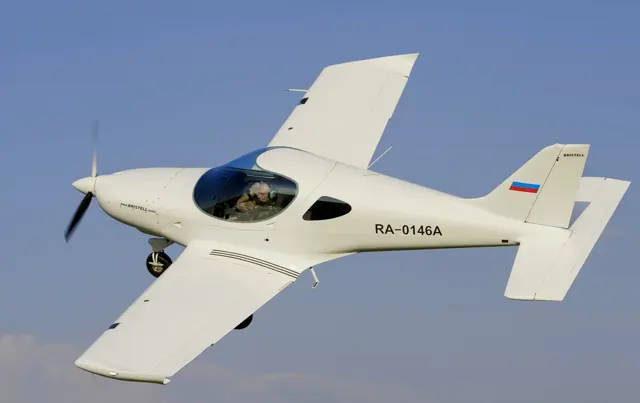
BRM Aero's two-seat B23, represented in MSFS by Airfoillabs.
This is AirframeDB’s first release. More features and aircraft research are planned. Leave your email if you’d like occasional updates.