MSFS
Junkers F13 ↗
A pioneering all-metal transport with an enclosed passenger cabin and corrugated skin.
1 implementations+ Compare
Explore the aircraft. Find your simulator. Follow the sources.
A pioneering all-metal transport with an enclosed passenger cabin and corrugated skin.
A compact utility helicopter distinguished by its enclosed Fenestron tail rotor.
A four-seat, pressurised kit aircraft with a composite airframe and retractable landing gear.
A four-seat high-wing single that spans generations of conventional instruments and glass cockpits.
A six-engine heavy transport created for exceptionally large external and internal loads.
A two-seat naval fighter with variable-sweep wings and a cockpit built around pilot and radar-intercept officer roles.
A heavy transport helicopter whose two large rotors remove the need for a tail rotor.
A compact racing aeroplane built around a large radial engine and very short fuselage.
The Wilga is the real-aircraft starting point for Mike Patey's DRACO and the simulator's DRACO X.
A high-wing utility turboprop designed for short-field passenger and cargo work.
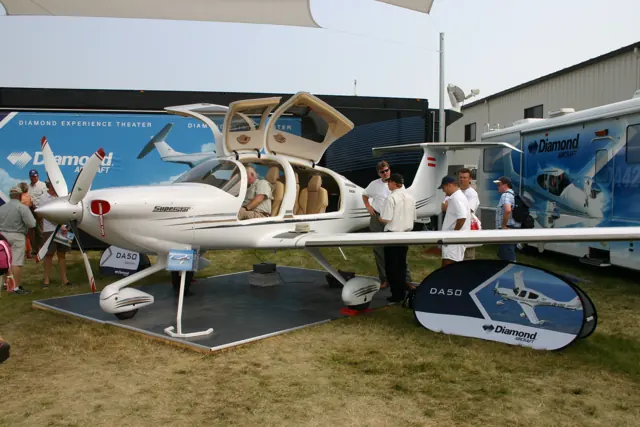
A five-seat composite single whose development led to the diesel DA50 RG.
A long-range strategic bomber with a swept wing and eight jet engines in paired pods.
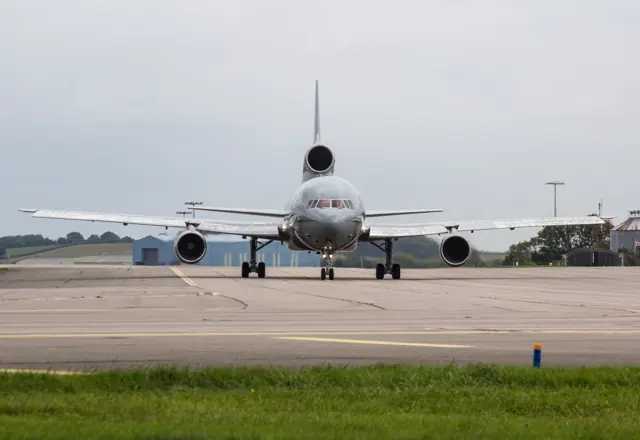
Lockheed's wide-body TriStar, with three RB211 engines and a distinctive tail intake.
A huge wooden flying-boat prototype that made one brief flight in 1947.
A streamlined twin-engine helicopter with a Fenestron tail rotor and retractable landing gear.
The four-engine Flying Fortress, a major American bomber of the Second World War.
A compact Czech touring aircraft with side-by-side seats and a streamlined low-wing airframe.
Diamond's four-seat light twin, developed with diesel-powered versions.
An Italian light aircraft known for military training and aerobatic use.
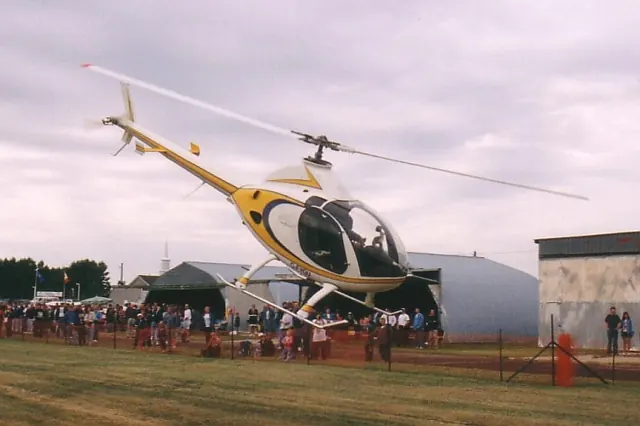
RotorWay's two-seat kit-helicopter family, with piston and turbine simulator interpretations.
A twin-radial airliner that helped make practical passenger transport a regular business.
A two-seat composite trainer with a low wing and a large canopy.
Beechcraft's Model 76, designed to introduce pilots to twin-engine flying.
The second-generation Harrier, designed around vectored thrust and short-field operation.
This is AirframeDB’s first release. More features and aircraft research are planned. Leave your email if you’d like occasional updates.