X-Plane
De Havilland DHC-1 Chipmunk ↗
A Canadian tandem-seat trainer developed after the Second World War.
1 implementations+ Compare
Explore the aircraft. Find your simulator. Follow the sources.
A Canadian tandem-seat trainer developed after the Second World War.
A box-shaped utility twin whose cabin and rear access are central to its design.
A high-wing twin turboprop developed for regional freight and passenger transport.
A pioneering light helicopter whose bubble cabin and exposed structure became widely recognisable.
A low-wing piston family that spans simple trainers, touring aircraft and retractable-gear Arrows.
A corrugated-metal transport best known in its three-engine form.
A large twin-engine helicopter from the Super Puma line, used for offshore and public-service work.
A four-seat kit-built touring aircraft that expanded the RV family beyond two-seat designs.
Epic's experimental light-jet project, represented in simulation by Aerobask.
A compact rear-engined jet designed for short-haul regional airline work.
The Mitchell medium bomber, named for aviation advocate Billy Mitchell.
The Model 525 CitationJet, the starting point of Cessna's CJ and M2 lineage.
A post-war Czech light twin with a rounded cabin and engines carried on a low wing.
A wartime fighter developed from the earlier Curtiss P-36.
A compact aerobatic biplane family with both single-seat and tandem-seat branches.
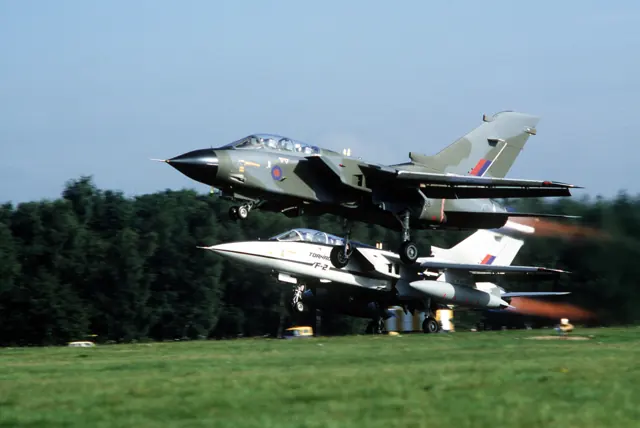
A European variable-sweep combat-aircraft family with distinct strike and interceptor versions.
A Swedish reconnaissance and dive-bombing aircraft from the early 1940s.
A British utility twin built around short regional and practical transport work.
Cessna's unusual piston-powered helicopter, marketed as the Skyhook.
A modern two-seat piston helicopter designed around the training role.
A two-seat light amphibian with a compact boat hull and a pusher propeller.
A pressurised twin turboprop with a canard, composite airframe and rear-facing propellers.
A composite, low-wing touring single with fixed gear and a turbocharged engine.
A wooden touring-aircraft family recognisable by the upward-angled outer wing panels.
This is AirframeDB’s first release. More features and aircraft research are planned. Leave your email if you’d like occasional updates.