MSFS
Boom XB-1 ↗
A small three-engine demonstrator created to explore technologies for a future supersonic airliner.
1 implementations+ Compare
Explore the aircraft. Find your simulator. Follow the sources.
A small three-engine demonstrator created to explore technologies for a future supersonic airliner.
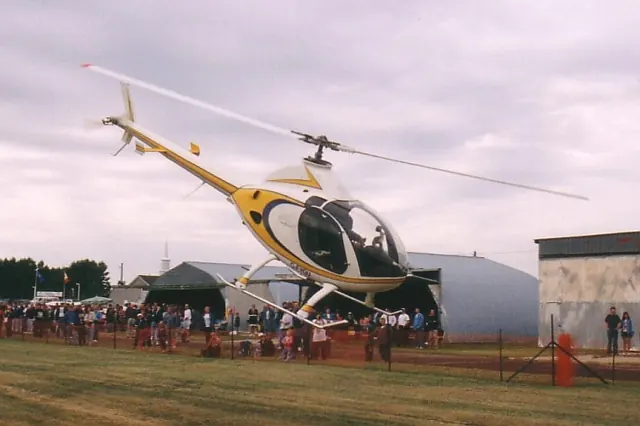
RotorWay's two-seat kit-helicopter family, with piston and turbine simulator interpretations.
A turbine-powered utility helicopter with a broad cabin and a long international service history.
Two related Dutch regional jets developed from the F28 lineage.
A rear-engined trijet built to bring jet service to shorter routes and smaller airports.
A four-engine jetliner that helped establish the shape of long-distance jet travel.
A pressurised single-engine turboprop family that combines a compact cabin with retractable gear.
A twin-engine business jet designed to retain some of the utility flexibility associated with the PC-12.
A midsize business jet developed by Bombardier’s Learjet division.
A single-engine turboprop workhorse for passenger services, freight and remote-area transport.
A compact Japanese twin turboprop with a high wing and pressurised cabin.
A compact twin-engine helicopter widely used for medical, police and training work.
Airbus's first production aircraft, built around a twin-engine wide-body layout.
TorqueSim's Pocket Rocket, a simulated PT6-powered light aircraft with two gear layouts.
A four-seat composite touring and training aircraft developed from Diamond's smaller two-seater.
A long-range strategic bomber with a swept wing and eight jet engines in paired pods.
A wide-cabin business-jet family that developed from Canadair's original Challenger programme.
A four-seat kit-built touring aircraft that expanded the RV family beyond two-seat designs.
A two-seat, twin-engine fighter that served naval and land-based air forces in many roles.
A twin-turbine Huey descendant with a four-blade main rotor.
A two-seat Tecnam high-wing aircraft combining composite and metal construction.
A four-seat high-wing single that spans generations of conventional instruments and glass cockpits.
A pressurised twin turboprop with a canard, composite airframe and rear-facing propellers.
A shorter wide-body Airbus from the transition to two-pilot, electronic-instrument cockpits.
This is AirframeDB’s first release. More features and aircraft research are planned. Leave your email if you’d like occasional updates.