MSFS
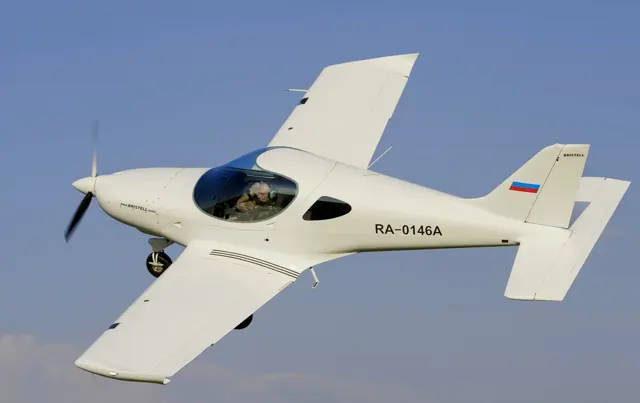
Pipistrel Virus SW 121 ↗
A compact two-seat light aircraft with a high wing and a wide range of development variants.
2 implementations+ Compare
Explore the aircraft. Find your simulator. Follow the sources.
A compact two-seat light aircraft with a high wing and a wide range of development variants.
Cessna's unusual piston-powered helicopter, marketed as the Skyhook.
A twin-engine utility helicopter with roots in the BK 117 and EC145 families.
A retractable-gear touring single with an all-metal airframe and a long-lived enthusiast following.
A super-midsize business jet with a swept wing, rear-mounted engines and an integrated glass cockpit.
A small observation-helicopter family with a rounded cabin and compact rotor system.
A pressurised touring twin whose piston and turbine-conversion versions make a particularly interesting comparison.
A tandem two-seat sailplane designed for instruction and broader soaring use.
Tecnam's two-seat, low-wing Sierra, introduced in the early 2000s.
A wartime fighter developed from the earlier Curtiss P-36.
Diamond's four-seat light twin, developed with diesel-powered versions.
A First World War trainer that became a familiar sight in the barnstorming era.
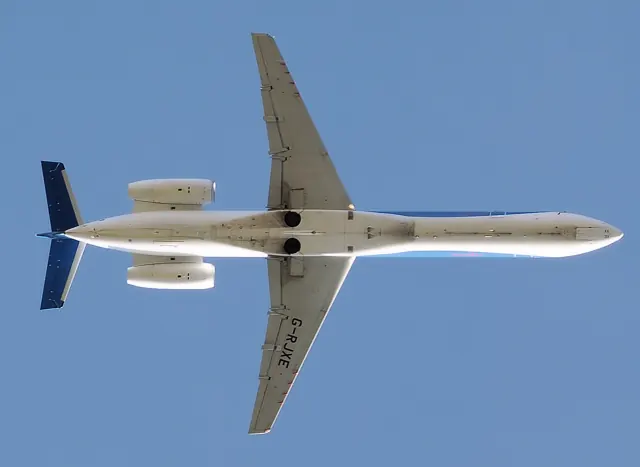
Embraer's regional-jet family, from the ERJ 135 to the longer ERJ 145.
A twin-turboprop utility aircraft developed by Reims Aviation with Cessna.
A carbon-fibre aerobatic monoplane family with a dedicated air-racing branch.
A very light twin jet developed from the Eclipse 500.
A two-seat composite kit aircraft developed from the Lancair 320.
BRM Aero's two-seat B23, represented in MSFS by Airfoillabs.
An enlarged Velocity kit aircraft with a canard and rear-mounted pusher propeller.
Tecnam's four-seat high-wing single, built with metal and carbon-fibre components.
A high-wing twin turboprop developed for regional freight and passenger transport.
A compact twin-engine helicopter widely used for medical, police and training work.
A streamlined light twin helicopter, with the later Bell 230 in the same family.
A twin-turboprop family whose smaller conventional-tail and larger T-tail branches have distinct identities.
This is AirframeDB’s first release. More features and aircraft research are planned. Leave your email if you’d like occasional updates.