MSFS
Douglas DC-6 ↗
A pressurised four-engine piston transport from the last major generation before the jet airliner.
1 implementations+ Compare
Explore the aircraft. Find your simulator. Follow the sources.
A pressurised four-engine piston transport from the last major generation before the jet airliner.
A rear-engined trijet built to bring jet service to shorter routes and smaller airports.
A self-launching sailplane family with its engine inside the fuselage and a folding nose propeller.
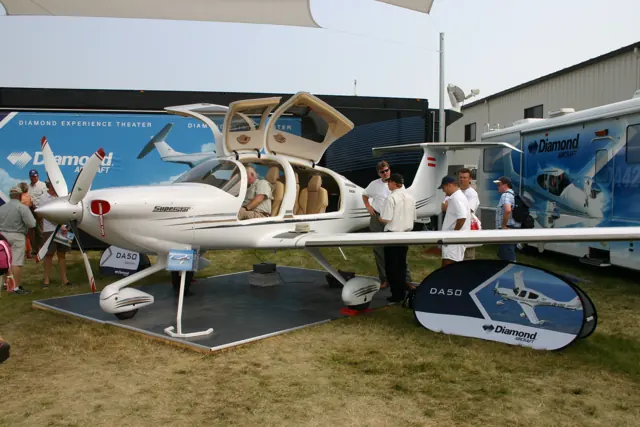
A five-seat composite single whose development led to the diesel DA50 RG.
A very light twin jet developed from the Eclipse 500.
A carrier-capable multirole fighter, larger than the earlier Hornet from which it developed.
A four-abreast regional-jet family spanning the E170, E175, E190 and E195.
A Brazilian light trainer with a high wing, tandem seats and a simple utility layout.
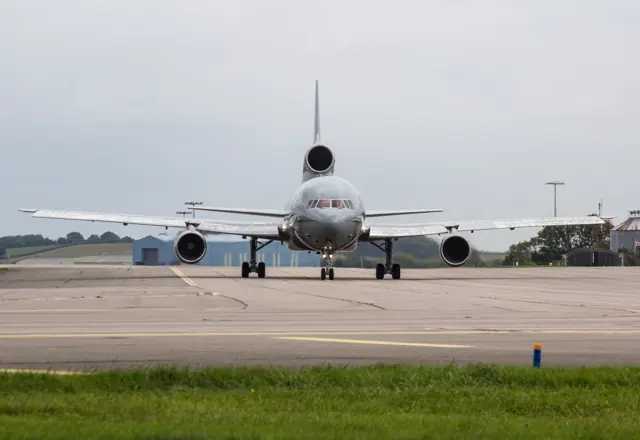
Lockheed's wide-body TriStar, with three RB211 engines and a distinctive tail intake.
A light tandem-seat taildragger built around the familiar braced high-wing layout.
A small twin-engine amphibian that moved from business transport into military and utility service.
A long-range fighter whose different engine and canopy developments produced several distinct forms.
A long-range trijet developed from the DC-10 with a stretched fuselage and revised wing and cockpit.
A compact aerobatic biplane family with both single-seat and tandem-seat branches.
A six-seat composite single turboprop with a pressurised cabin and retractable gear.
A vast inter-war flying boat with twelve engines arranged in six paired installations.
A Swedish reconnaissance and dive-bombing aircraft from the early 1940s.
The H130 utility helicopter, descended from the AS350 and fitted with a Fenestron.
A modern composite twin with a roomy cabin and two wing-mounted piston engines.
A four-engine Airbus wide-body developed in parallel with the A330.
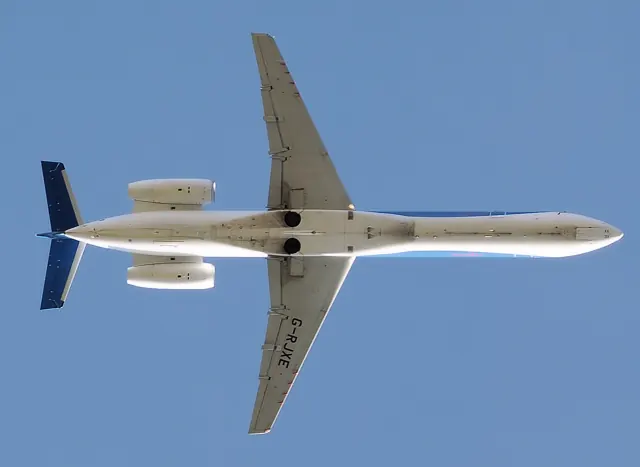
Embraer's regional-jet family, from the ERJ 135 to the longer ERJ 145.
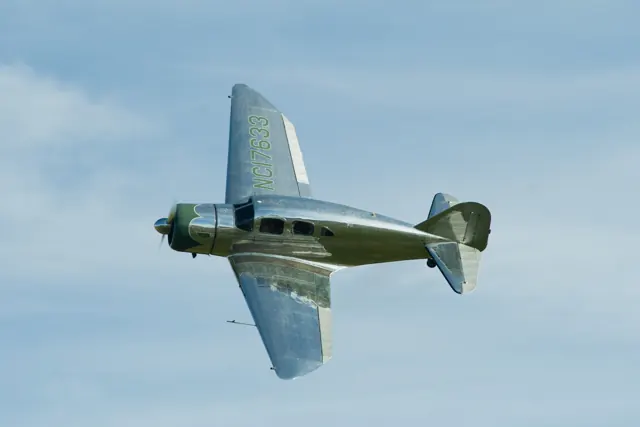
A late-1930s cabin aircraft with metal construction and retractable landing gear.
A composite, low-wing touring single with fixed gear and a turbocharged engine.
The Wilga is the real-aircraft starting point for Mike Patey's DRACO and the simulator's DRACO X.
This is AirframeDB’s first release. More features and aircraft research are planned. Leave your email if you’d like occasional updates.