MSFS X-Plane
Cessna Caravan family ↗
A single-engine turboprop workhorse for passenger services, freight and remote-area transport.
4 implementations+ Compare
Explore the aircraft. Find your simulator. Follow the sources.
A single-engine turboprop workhorse for passenger services, freight and remote-area transport.
A small three-engine demonstrator created to explore technologies for a future supersonic airliner.
A twin-aisle Boeing designed alongside the 757's generation of two-pilot flight decks.
An amphibious turboprop designed around scooping water and delivering it to fires.
A four-seat touring family whose Commander 114 added a larger engine and further refinements.
A compact two-seat light aircraft with a high wing and a wide range of development variants.
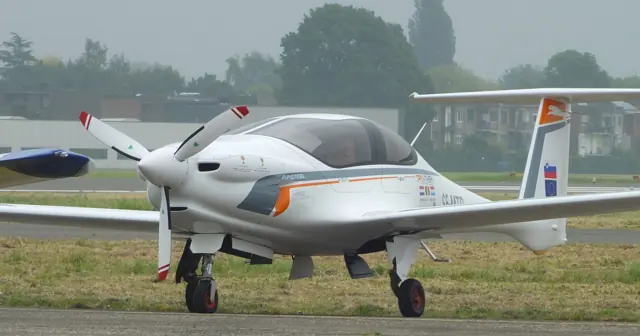
Pipistrel's streamlined four-seat composite-aircraft design.
A full-length double-deck airliner built for very high passenger capacity.
A three-engine airliner that became a mainstay of Soviet and Russian passenger transport.
A tandem two-seat sailplane designed for instruction and broader soaring use.
A two-seat training single with a high wing and fixed tricycle landing gear.
A pressurised touring twin whose piston and turbine-conversion versions make a particularly interesting comparison.
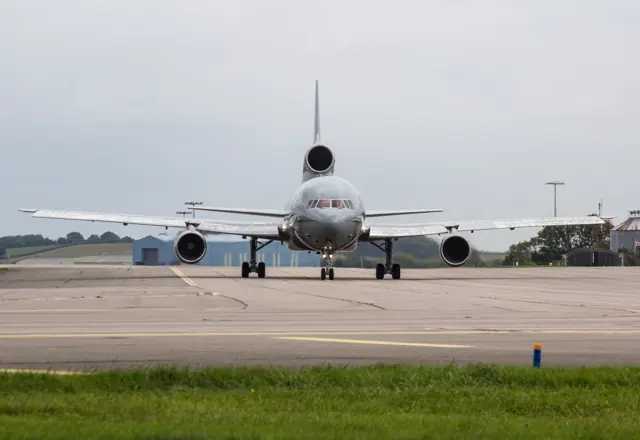
Lockheed's wide-body TriStar, with three RB211 engines and a distinctive tail intake.
The four-engine wide-body whose raised flight deck created one of aviation's most recognisable profiles.
A Swedish reconnaissance and dive-bombing aircraft from the early 1940s.
An advanced trainer known around the world as the Texan, Harvard and SNJ.
An unpowered military cargo glider designed to deliver troops and equipment behind a tow aircraft.
A long-range trijet developed from the DC-10 with a stretched fuselage and revised wing and cockpit.
A corrugated-metal transport best known in its three-engine form.
A wartime fighter developed from the earlier Curtiss P-36.
A specialised reconnaissance aircraft designed for very high altitude and sustained supersonic flight.
A stretched development of the DC-9 with rear-mounted engines and a five-abreast cabin.
A long-range twin whose programme emphasised composite construction and more electrically powered systems.
A rear-engined trijet built to bring jet service to shorter routes and smaller airports.
This is AirframeDB’s first release. More features and aircraft research are planned. Leave your email if you’d like occasional updates.