MSFS X-Plane
Boeing CH-47D Chinook ↗
A heavy transport helicopter whose two large rotors remove the need for a tail rotor.
2 implementations+ Compare
Explore the aircraft. Find your simulator. Follow the sources.
A heavy transport helicopter whose two large rotors remove the need for a tail rotor.
A streamlined twin-engine helicopter with a Fenestron tail rotor and retractable landing gear.
A two-seat composite kit aircraft developed from the Lancair 320.
A four-seat composite touring and training aircraft developed from Diamond's smaller two-seater.
Ted Smith's piston twin, later produced by Piper as the Aerostar.
A pioneering light helicopter whose bubble cabin and exposed structure became widely recognisable.
The Wilga is the real-aircraft starting point for Mike Patey's DRACO and the simulator's DRACO X.
A twin-turboprop regional airliner developed through Swedish and American industrial cooperation.
An amphibious turboprop designed around scooping water and delivering it to fires.
A six-engine flying boat created for long-distance passenger travel over water.
A long-range trijet developed from the DC-10 with a stretched fuselage and revised wing and cockpit.
The Model 525 CitationJet, the starting point of Cessna's CJ and M2 lineage.
A super-midsize business jet with a swept wing, rear-mounted engines and an integrated glass cockpit.
A carbon-fibre aerobatic monoplane family with a dedicated air-racing branch.
A four-engine Airbus wide-body developed in parallel with the A330.
A two-seat naval fighter with variable-sweep wings and a cockpit built around pilot and radar-intercept officer roles.
Diamond's four-seat light twin, developed with diesel-powered versions.
A box-shaped utility twin whose cabin and rear access are central to its design.
A retractable-gear touring single with an all-metal airframe and a long-lived enthusiast following.
A turbine-powered utility helicopter with a broad cabin and a long international service history.
A high-wing utility aircraft known for short-field work and a broad choice of working configurations.
A long-range twin whose programme emphasised composite construction and more electrically powered systems.
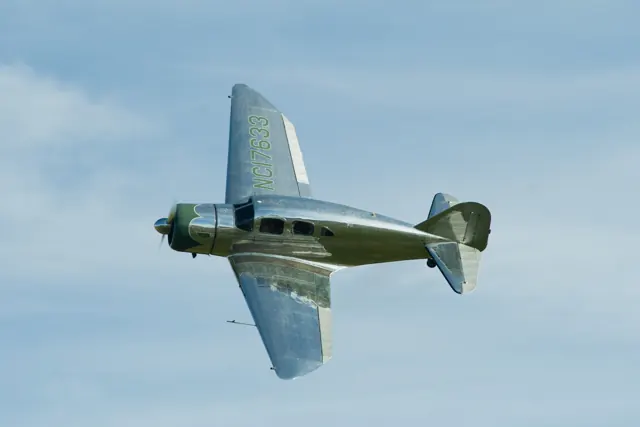
A late-1930s cabin aircraft with metal construction and retractable landing gear.
This is AirframeDB’s first release. More features and aircraft research are planned. Leave your email if you’d like occasional updates.