MSFS
Cessna 207T ↗
A utility-aircraft family whose stretched 207 branch trades compact proportions for more cabin space.
1 implementations+ Compare
Explore the aircraft. Find your simulator. Follow the sources.
A utility-aircraft family whose stretched 207 branch trades compact proportions for more cabin space.
The purpose-built Ryan monoplane used by Charles Lindbergh for his 1927 solo Atlantic crossing.
A short-field Savage with leading-edge slats and a distinct Got Friends simulator implementation.
The H130 utility helicopter, descended from the AS350 and fitted with a Fenestron.
A four-engine airliner that brought pressurised-cabin travel into scheduled service.
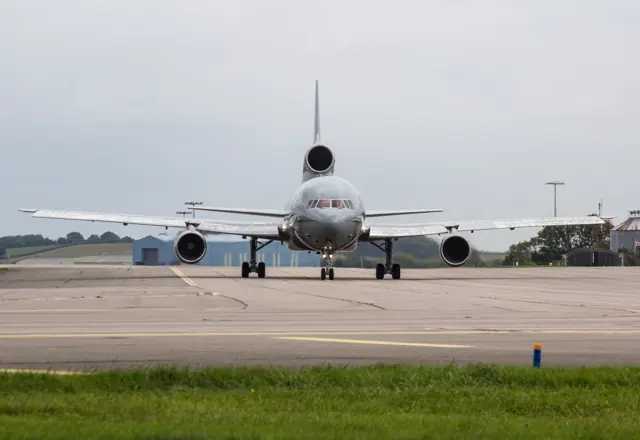
Lockheed's wide-body TriStar, with three RB211 engines and a distinctive tail intake.
A pioneering light helicopter whose bubble cabin and exposed structure became widely recognisable.
A heavy-lift helicopter built around an open frame and an external working load.
The Wilga is the real-aircraft starting point for Mike Patey's DRACO and the simulator's DRACO X.
A two-seat composite trainer with a low wing and a large canopy.
A three-engine airliner that became a mainstay of Soviet and Russian passenger transport.
A utility piston twin designed for commuter and specialist transport missions.
A four-engine jetliner that helped establish the shape of long-distance jet travel.
A two-seat composite kit aircraft developed from the Lancair 320.
A pressurised single-engine turboprop family that combines a compact cabin with retractable gear.
The four-engine Flying Fortress, a major American bomber of the Second World War.
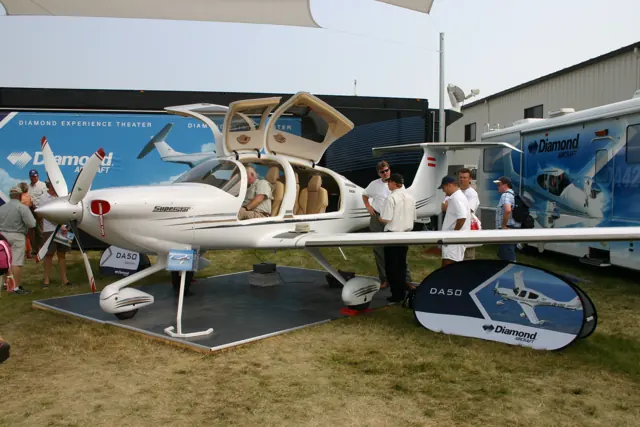
A five-seat composite single whose development led to the diesel DA50 RG.
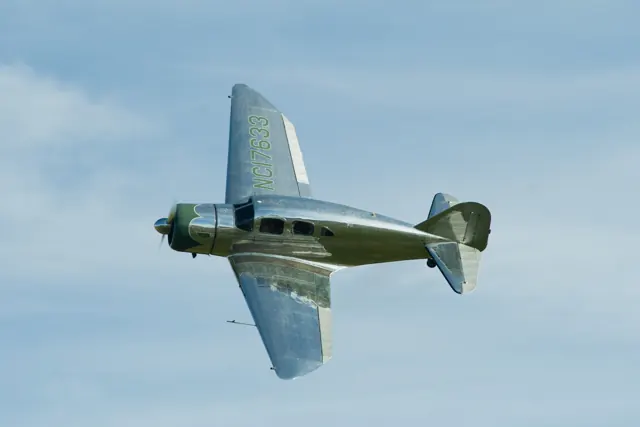
A late-1930s cabin aircraft with metal construction and retractable landing gear.
An enclosed-cabin development of the Bell 47, shaped for passenger and executive transport.
A lightweight short-field aircraft with a specialised wing and tall, shock-absorbing landing gear.
Dassault's long-range Falcon 8X, developed from the three-engine 7X.
A large twin-engine helicopter from the Super Puma line, used for offshore and public-service work.
A twin-turbine Huey descendant with a four-blade main rotor.
A push-pull twin with one engine at each end of the central fuselage.
This is AirframeDB’s first release. More features and aircraft research are planned. Leave your email if you’d like occasional updates.