X-Plane
Piper PA-18 Super Cub ↗
A tandem-seat utility aircraft whose light structure and high wing suit bush, towing and recreational work.
2 implementations+ Compare
Explore the aircraft. Find your simulator. Follow the sources.
A tandem-seat utility aircraft whose light structure and high wing suit bush, towing and recreational work.
A long-range twin designed around a new wide-body airframe and extensive composite construction.
A pressurised single turboprop with a large cargo door and a broad range of working roles.
The four-engine Flying Fortress, a major American bomber of the Second World War.
A Polish utility aircraft designed for short takeoffs and landings.
A high-wing utility turboprop designed for short-field passenger and cargo work.
A regional jet family with four small engines, a high wing and a large split tail airbrake.
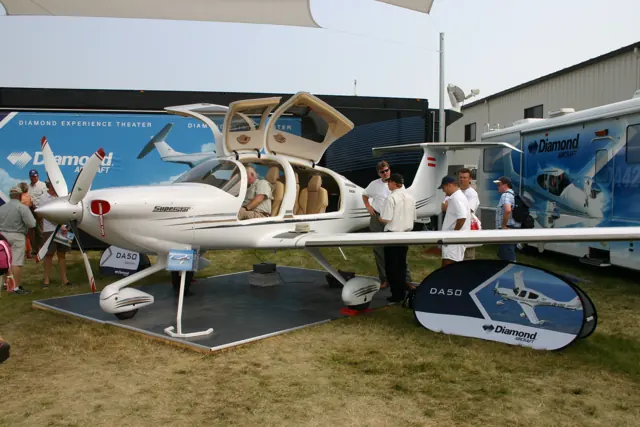
A two-seat composite trainer with a low wing and a large canopy.
A two-seat naval fighter with variable-sweep wings and a cockpit built around pilot and radar-intercept officer roles.
A four-abreast regional-jet family spanning the E170, E175, E190 and E195.
A composite, low-wing touring single with fixed gear and a turbocharged engine.
A large long-haul twin that introduced Boeing's first commercial fly-by-wire airliner flight controls.
A five-seat composite single whose development led to the diesel DA50 RG.
A radial-engine trainer that also served in combat and civilian warbird roles.
SOCATA's touring-aircraft family, including the Tobago and Trinidad.
Dassault's long-range Falcon 8X, developed from the three-engine 7X.
Avro's delta-wing bomber, developed for Britain's postwar strategic force.
A six-seat composite single turboprop with a pressurised cabin and retractable gear.
A specialised reconnaissance aircraft designed for very high altitude and sustained supersonic flight.
A Canadian tandem-seat trainer developed after the Second World War.
The JetRanger and LongRanger family: a familiar turbine-helicopter shape with distinct cabin lengths.
A heavy transport helicopter whose two large rotors remove the need for a tail rotor.
A long-running touring single, familiar in both V-tail and conventional-tail forms.
The second-generation Harrier, designed around vectored thrust and short-field operation.
This is AirframeDB’s first release. More features and aircraft research are planned. Leave your email if you’d like occasional updates.