X-Plane
Embraer ERJ family ↗
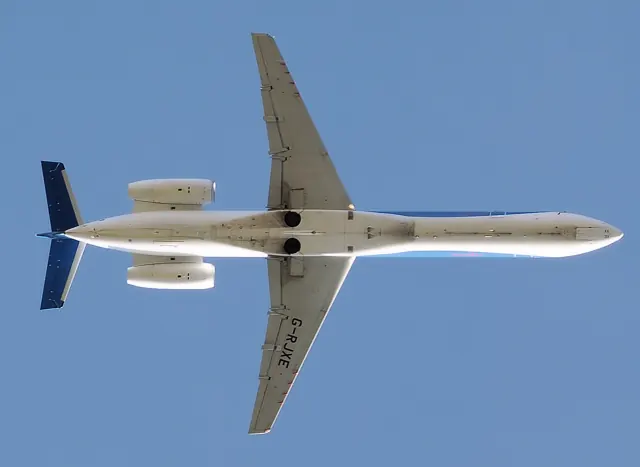
Embraer's regional-jet family, from the ERJ 135 to the longer ERJ 145.
1 implementations+ Compare
Explore the aircraft. Find your simulator. Follow the sources.
Embraer's regional-jet family, from the ERJ 135 to the longer ERJ 145.
A rear-engined trijet built to bring jet service to shorter routes and smaller airports.
The second-generation Harrier, designed around vectored thrust and short-field operation.
A stretched development of the DC-9 with rear-mounted engines and a five-abreast cabin.
A two-seat, twin-engine fighter that served naval and land-based air forces in many roles.
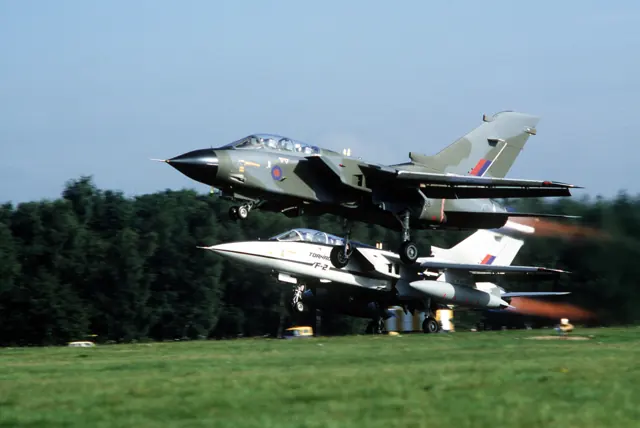
A European variable-sweep combat-aircraft family with distinct strike and interceptor versions.
A four-engine Airbus wide-body developed in parallel with the A330.
A four-abreast regional-jet family spanning the E170, E175, E190 and E195.
A composite touring single with a whole-aircraft parachute and several generations of avionics.
Diamond's four-seat light twin, developed with diesel-powered versions.
A long-range trijet developed from the DC-10 with a stretched fuselage and revised wing and cockpit.
A specialised reconnaissance aircraft designed for very high altitude and sustained supersonic flight.
A swept-wing business jet designed around high subsonic cruise speed.
An open, single-seat ultralight with its propeller behind the pilot.
Dassault's long-range Falcon 8X, developed from the three-engine 7X.
A long-haul twin whose family spans passenger, freight and specialist transport roles.
A two-seat training single with a high wing and fixed tricycle landing gear.
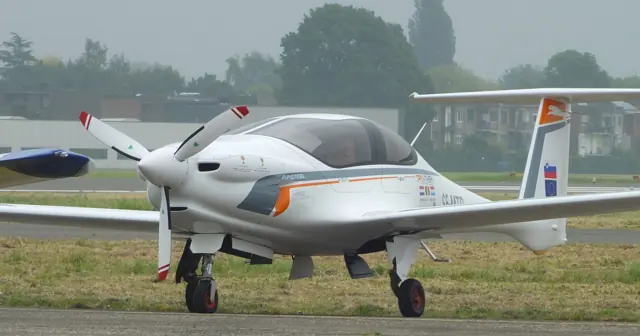
Pipistrel's streamlined four-seat composite-aircraft design.
A high-wing utility turboprop designed for short-field passenger and cargo work.
A three-engine airliner that became a mainstay of Soviet and Russian passenger transport.
A very light twin jet developed from the Eclipse 500.
A push-pull twin with one engine at each end of the central fuselage.
Piper's two-seat trainer with fixed tricycle landing gear.
A four-engine tactical transport built around a rear loading ramp and access to austere airfields.
This is AirframeDB’s first release. More features and aircraft research are planned. Leave your email if you’d like occasional updates.