X-Plane
Epic Victory ↗
Epic's experimental light-jet project, represented in simulation by Aerobask.
1 implementations+ Compare
Explore the aircraft. Find your simulator. Follow the sources.
Epic's experimental light-jet project, represented in simulation by Aerobask.
A cabin biplane with the lower wing placed ahead of the upper one.
A six-engine flying boat created for long-distance passenger travel over water.
A fixed-wing observation aircraft with a helicopter-like view from its glazed nose.
A push-pull twin with one engine at each end of the central fuselage.
The Huey: a turbine-powered utility helicopter with a broad cabin and an unmistakable two-bladed rotor.
An enclosed-cabin development of the Bell 47, shaped for passenger and executive transport.
SOCATA's touring-aircraft family, including the Tobago and Trinidad.
A heavy transport helicopter whose two large rotors remove the need for a tail rotor.
A single-seat competition sailplane offered in Standard and 18-metre configurations.
A high-wing twin turboprop developed for regional freight and passenger transport.
The JetRanger and LongRanger family: a familiar turbine-helicopter shape with distinct cabin lengths.
A radial-engined utility aircraft closely associated with bush flying and float operations.
A wooden touring-aircraft family recognisable by the upward-angled outer wing panels.
A huge wooden flying-boat prototype that made one brief flight in 1947.
Ted Smith's piston twin, later produced by Piper as the Aerostar.
A light turbine helicopter combining an Alouette II airframe with more powerful Alouette III components.
A long-range trijet developed from the DC-10 with a stretched fuselage and revised wing and cockpit.
A British utility twin built around short regional and practical transport work.
A four-engine jetliner that helped establish the shape of long-distance jet travel.
A corrugated-metal transport best known in its three-engine form.
An open, single-seat ultralight with its propeller behind the pilot.
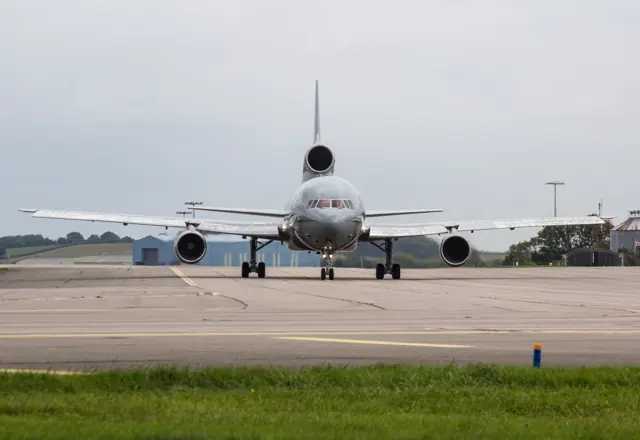
Lockheed's wide-body TriStar, with three RB211 engines and a distinctive tail intake.
This is AirframeDB’s first release. More features and aircraft research are planned. Leave your email if you’d like occasional updates.