MSFS X-Plane
Hughes OH-6 / 500 ↗
A small observation-helicopter family with a rounded cabin and compact rotor system.
3 implementations+ Compare
Explore the aircraft. Find your simulator. Follow the sources.
A small observation-helicopter family with a rounded cabin and compact rotor system.
A long-range strategic bomber with a swept wing and eight jet engines in paired pods.
A Canadian tandem-seat trainer developed after the Second World War.
A single-engine turboprop workhorse for passenger services, freight and remote-area transport.
A light business jet with a swept wing, rear-mounted engines and an integrated flight deck.
A tandem-seat light aircraft with a streamlined low-wing layout.
An open-cockpit biplane trainer that found a second life in civilian flying.
Diamond's four-seat light twin, developed with diesel-powered versions.
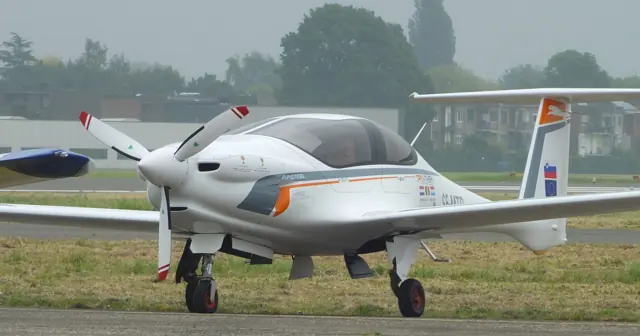
Pipistrel's streamlined four-seat composite-aircraft design.
A long-range trijet developed from the DC-10 with a stretched fuselage and revised wing and cockpit.
A family of single-aisle airliners built around sidesticks, electronic flight controls and a shared cockpit.
A modern composite twin with a roomy cabin and two wing-mounted piston engines.
TorqueSim's Pocket Rocket, a simulated PT6-powered light aircraft with two gear layouts.
A four-seat kit-built touring aircraft that expanded the RV family beyond two-seat designs.
A four-seat, pressurised kit aircraft with a composite airframe and retractable landing gear.
A six-seat composite single turboprop with a pressurised cabin and retractable gear.
A four-engine Airbus wide-body developed in parallel with the A330.
A radial-engine trainer that also served in combat and civilian warbird roles.
A composite, low-wing touring single with fixed gear and a turbocharged engine.
A large long-haul twin that introduced Boeing's first commercial fly-by-wire airliner flight controls.
A small two-seat piston helicopter with a two-bladed main rotor.
A short-haul jet family that evolved through several generations of engines, wings and flight decks.
A personal jet with one engine above the rear fuselage and a distinctive V-tail.
The second-generation Harrier, designed around vectored thrust and short-field operation.
This is AirframeDB’s first release. More features and aircraft research are planned. Leave your email if you’d like occasional updates.