X-Plane
Lockheed SR-71 ↗
A specialised reconnaissance aircraft designed for very high altitude and sustained supersonic flight.
1 implementations+ Compare
Explore the aircraft. Find your simulator. Follow the sources.
A specialised reconnaissance aircraft designed for very high altitude and sustained supersonic flight.
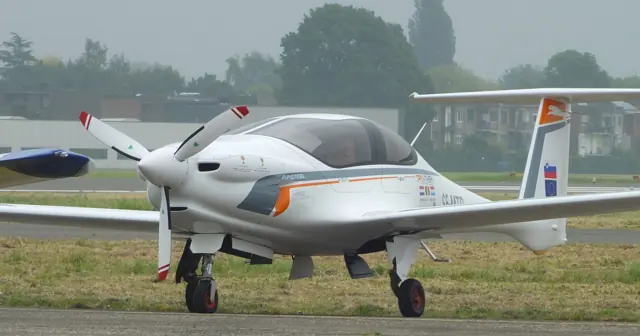
Pipistrel's streamlined four-seat composite-aircraft design.
A twin-turbine Huey descendant with a four-blade main rotor.
A British utility twin built around short regional and practical transport work.
A two-seat composite trainer with a low wing and a large canopy.
An open, single-seat ultralight with its propeller behind the pilot.
The Stationair utility family, combining a high wing with fixed landing gear.
A tandem-seat light aircraft with a streamlined low-wing layout.
A high-wing utility aircraft known for short-field work and a broad choice of working configurations.
A Polish utility aircraft designed for short takeoffs and landings.
A four-seat high-wing single that spans generations of conventional instruments and glass cockpits.
Cirrus's first type-certified aircraft, a composite piston single.
The second-generation Harrier, designed around vectored thrust and short-field operation.
A four-seat, pressurised kit aircraft with a composite airframe and retractable landing gear.
A twin-aisle Boeing designed alongside the 757's generation of two-pilot flight decks.
A two-seat naval fighter with variable-sweep wings and a cockpit built around pilot and radar-intercept officer roles.
A regional jet family with four small engines, a high wing and a large split tail airbrake.
A two-seat training single with a high wing and fixed tricycle landing gear.
A military liaison aircraft built around a high wing, tandem cabin and short-field utility work.
A DC-10-derived tanker that combined aerial refuelling with passenger and cargo transport.
Diamond's four-seat light twin, developed with diesel-powered versions.
A four-engine Airbus wide-body developed in parallel with the A330.
A long-running touring single, familiar in both V-tail and conventional-tail forms.
The Mitchell medium bomber, named for aviation advocate Billy Mitchell.
This is AirframeDB’s first release. More features and aircraft research are planned. Leave your email if you’d like occasional updates.