X-Plane
McDonnell Douglas MD-80 / MD-82 ↗
A stretched development of the DC-9 with rear-mounted engines and a five-abreast cabin.
3 implementations+ Compare
Explore the aircraft. Find your simulator. Follow the sources.
A stretched development of the DC-9 with rear-mounted engines and a five-abreast cabin.
A cabin biplane with the lower wing placed ahead of the upper one.
A full-length double-deck airliner built for very high passenger capacity.
Tecnam's two-seat, low-wing Sierra, introduced in the early 2000s.
A small observation-helicopter family with a rounded cabin and compact rotor system.
A close-air-support aircraft with a straight wing, twin tail and two widely separated jet engines.
The fixed-gear, six-cylinder touring branch of Piper's PA-28 family.
Piper's two-seat trainer with fixed tricycle landing gear.
A compact racing aeroplane built around a large radial engine and very short fuselage.
A push-pull twin with one engine at each end of the central fuselage.
A very light twin jet developed from the Eclipse 500.
A four-engine Airbus wide-body developed in parallel with the A330.
A composite touring single with a whole-aircraft parachute and several generations of avionics.
A single-engine utility helicopter known as the Écureuil, Squirrel and AStar.
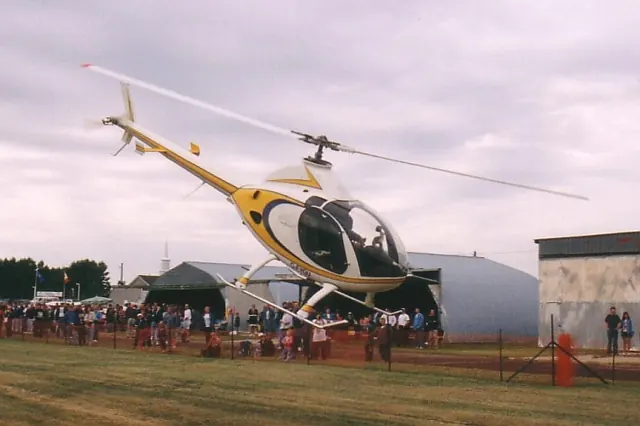
RotorWay's two-seat kit-helicopter family, with piston and turbine simulator interpretations.
A Swedish reconnaissance and dive-bombing aircraft from the early 1940s.
A modern two-seat piston helicopter designed around the training role.
An open-cockpit biplane trainer that found a second life in civilian flying.
A box-shaped utility twin whose cabin and rear access are central to its design.
A heavy transport helicopter whose two large rotors remove the need for a tail rotor.
A long-range trijet developed from the DC-10 with a stretched fuselage and revised wing and cockpit.
A twin-turboprop utility aircraft developed by Reims Aviation with Cessna.
The Huey: a turbine-powered utility helicopter with a broad cabin and an unmistakable two-bladed rotor.
A pressurised touring twin whose piston and turbine-conversion versions make a particularly interesting comparison.
This is AirframeDB’s first release. More features and aircraft research are planned. Leave your email if you’d like occasional updates.