MSFS
Ryan NYP “Spirit of St. Louis” ↗
The purpose-built Ryan monoplane used by Charles Lindbergh for his 1927 solo Atlantic crossing.
2 implementations+ Compare
Explore the aircraft. Find your simulator. Follow the sources.
The purpose-built Ryan monoplane used by Charles Lindbergh for his 1927 solo Atlantic crossing.
A rear-engined trijet built to bring jet service to shorter routes and smaller airports.
Airbus's first production aircraft, built around a twin-engine wide-body layout.
A low-wing piston family that spans simple trainers, touring aircraft and retractable-gear Arrows.
A pressurised touring twin whose piston and turbine-conversion versions make a particularly interesting comparison.
Mooney's four-seat piston family, developed through many touring-aircraft variants.
An advanced trainer known around the world as the Texan, Harvard and SNJ.
A corrugated-metal, three-engine transport from the formative years of airline travel.
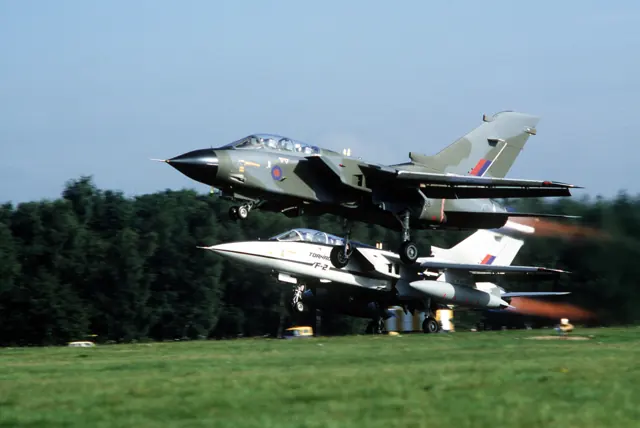
A European variable-sweep combat-aircraft family with distinct strike and interceptor versions.
A lightweight short-field aircraft with a specialised wing and tall, shock-absorbing landing gear.
An enclosed-cabin development of the Bell 47, shaped for passenger and executive transport.
A Brazilian light trainer with a high wing, tandem seats and a simple utility layout.
A post-war Czech light twin with a rounded cabin and engines carried on a low wing.
A radial-engined utility aircraft closely associated with bush flying and float operations.
A regional turboprop family whose short early versions and larger Q400 have different proportions and systems.
A Canadian tandem-seat trainer developed after the Second World War.
A First World War trainer that became a familiar sight in the barnstorming era.
A 1920s flying boat with two engines arranged in tandem above the wing.
A tandem-seat light aircraft with a streamlined low-wing layout.
A two-seat naval fighter with variable-sweep wings and a cockpit built around pilot and radar-intercept officer roles.
A pioneering all-metal transport with an enclosed passenger cabin and corrugated skin.
Ted Smith's piston twin, later produced by Piper as the Aerostar.
The four-engine Flying Fortress, a major American bomber of the Second World War.
A two-seat training single with a high wing and fixed tricycle landing gear.
This is AirframeDB’s first release. More features and aircraft research are planned. Leave your email if you’d like occasional updates.