MSFS
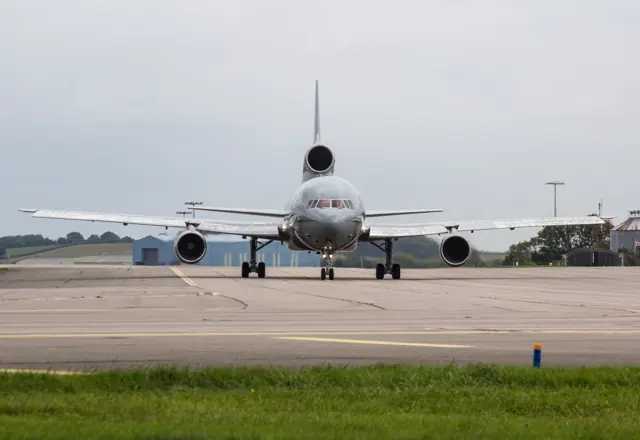
Lockheed L-1011 TriStar ↗
Lockheed's wide-body TriStar, with three RB211 engines and a distinctive tail intake.
1 implementations+ Compare
Explore the aircraft. Find your simulator. Follow the sources.
Lockheed's wide-body TriStar, with three RB211 engines and a distinctive tail intake.
A box-shaped utility twin whose cabin and rear access are central to its design.
An open-cockpit biplane trainer that found a second life in civilian flying.
A Brazilian light trainer with a high wing, tandem seats and a simple utility layout.
A four-engine military turboprop designed to combine tactical access with long-distance transport.
A long-range twin designed around a new wide-body airframe and extensive composite construction.
A four-seat high-wing single that spans generations of conventional instruments and glass cockpits.
A tandem-seat light aircraft with a streamlined low-wing layout.
A four-seat kit-built touring aircraft that expanded the RV family beyond two-seat designs.
A regional turboprop family whose short early versions and larger Q400 have different proportions and systems.
A composite amphibian that carries Dornier's centreline engine arrangement into the turboprop era.
A two-seat composite light-aircraft family with a high wing and a compact enclosed cabin.
A light turbine helicopter combining an Alouette II airframe with more powerful Alouette III components.
A twin-radial airliner that helped make practical passenger transport a regular business.
A four-engine jetliner that helped establish the shape of long-distance jet travel.
A low-wing piston twin that carries the Beechcraft touring-aircraft lineage into two-engine flying.
An advanced trainer known around the world as the Texan, Harvard and SNJ.
Cirrus's first type-certified aircraft, a composite piston single.
A two-seat light amphibian with a compact boat hull and a pusher propeller.
Piper's PA-31 utility twin, used in commuter, cargo and corporate transport.
A long-range fighter whose different engine and canopy developments produced several distinct forms.
A light tandem-seat taildragger built around the familiar braced high-wing layout.
A light turbine helicopter whose land-based Scout and naval Wasp branches served different jobs.
Two related Dutch regional jets developed from the F28 lineage.
This is AirframeDB’s first release. More features and aircraft research are planned. Leave your email if you’d like occasional updates.
































