MSFS
Fokker 70 / 100 ↗
Two related Dutch regional jets developed from the F28 lineage.
1 implementations+ Compare
Explore the aircraft. Find your simulator. Follow the sources.
Two related Dutch regional jets developed from the F28 lineage.
A four-engine airliner whose history also includes long-range maritime military service.
Piper's PA-31 utility twin, used in commuter, cargo and corporate transport.
A wartime fighter developed from the earlier Curtiss P-36.
A long-running touring single, familiar in both V-tail and conventional-tail forms.
A regional jet family with four small engines, a high wing and a large split tail airbrake.
An advanced trainer known around the world as the Texan, Harvard and SNJ.
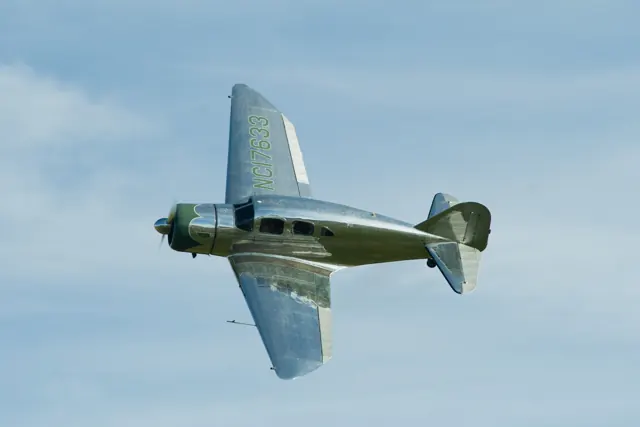
A late-1930s cabin aircraft with metal construction and retractable landing gear.
Cirrus's first type-certified aircraft, a composite piston single.
A twin-turboprop regional airliner developed through Swedish and American industrial cooperation.
A two-seat light amphibian with a compact boat hull and a pusher propeller.
A two-seat Tecnam high-wing aircraft combining composite and metal construction.
A corrugated-metal, three-engine transport from the formative years of airline travel.
A full-length double-deck airliner built for very high passenger capacity.
A vast inter-war flying boat with twelve engines arranged in six paired installations.
A light business jet with a swept wing, rear-mounted engines and an integrated flight deck.
A heavy transport helicopter whose two large rotors remove the need for a tail rotor.
A Polish utility aircraft designed for short takeoffs and landings.
A British jet trainer with tandem seating and a long military training career.
A British utility twin built around short regional and practical transport work.
A four-engine jetliner that helped establish the shape of long-distance jet travel.
A low-wing piston twin that carries the Beechcraft touring-aircraft lineage into two-engine flying.
The purpose-built Ryan monoplane used by Charles Lindbergh for his 1927 solo Atlantic crossing.
A tandem-seat jet trainer that also found a second life in civilian display and racing.
This is AirframeDB’s first release. More features and aircraft research are planned. Leave your email if you’d like occasional updates.