X-Plane
Lancair Legacy ↗
A two-seat composite kit aircraft developed from the Lancair 320.
1 implementations+ Compare
Explore the aircraft. Find your simulator. Follow the sources.
A two-seat composite kit aircraft developed from the Lancair 320.
A medium commercial helicopter designed for passenger and utility transport.
A twin-turbine Huey descendant with a four-blade main rotor.
A four-engine tactical transport built around a rear loading ramp and access to austere airfields.
A two-seat, twin-engine fighter that served naval and land-based air forces in many roles.
A British utility twin built around short regional and practical transport work.
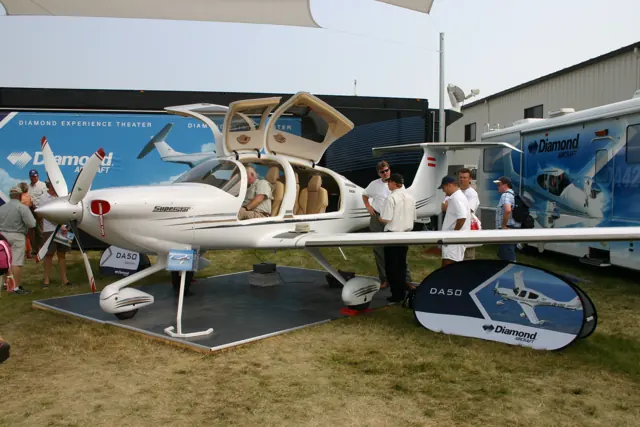
A five-seat composite single whose development led to the diesel DA50 RG.
A three-engine airliner that became a mainstay of Soviet and Russian passenger transport.
The four-engine Flying Fortress, a major American bomber of the Second World War.
A long-haul twin whose family spans passenger, freight and specialist transport roles.
A short-haul jet family that evolved through several generations of engines, wings and flight decks.
Mooney's four-seat piston family, developed through many touring-aircraft variants.
A twin-aisle Boeing designed alongside the 757's generation of two-pilot flight decks.
A Canadian tandem-seat trainer developed after the Second World War.
A small observation-helicopter family with a rounded cabin and compact rotor system.
The Model 525 CitationJet, the starting point of Cessna's CJ and M2 lineage.
A twin-turboprop family whose smaller conventional-tail and larger T-tail branches have distinct identities.
Beechcraft's Model 76, designed to introduce pilots to twin-engine flying.
SOCATA's touring-aircraft family, including the Tobago and Trinidad.
A swept-wing business jet designed around high subsonic cruise speed.
The Stationair utility family, combining a high wing with fixed landing gear.
A very light twin jet developed from the Eclipse 500.
A specialised reconnaissance aircraft designed for very high altitude and sustained supersonic flight.
A light turbine helicopter combining an Alouette II airframe with more powerful Alouette III components.
This is AirframeDB’s first release. More features and aircraft research are planned. Leave your email if you’d like occasional updates.