X-Plane
Embraer Phenom 300 ↗
A light business jet with a swept wing, rear-mounted engines and an integrated flight deck.
1 implementations+ Compare
Explore the aircraft. Find your simulator. Follow the sources.
A light business jet with a swept wing, rear-mounted engines and an integrated flight deck.
A high-wing utility aircraft known for short-field work and a broad choice of working configurations.
A long-range strategic bomber with a swept wing and eight jet engines in paired pods.
A two-seat composite kit aircraft developed from the Lancair 320.
A composite, low-wing touring single with fixed gear and a turbocharged engine.
A British utility twin built around short regional and practical transport work.
An open-cockpit biplane trainer that found a second life in civilian flying.
Cirrus's first type-certified aircraft, a composite piston single.
A stretched development of the DC-9 with rear-mounted engines and a five-abreast cabin.
An open, single-seat ultralight with its propeller behind the pilot.
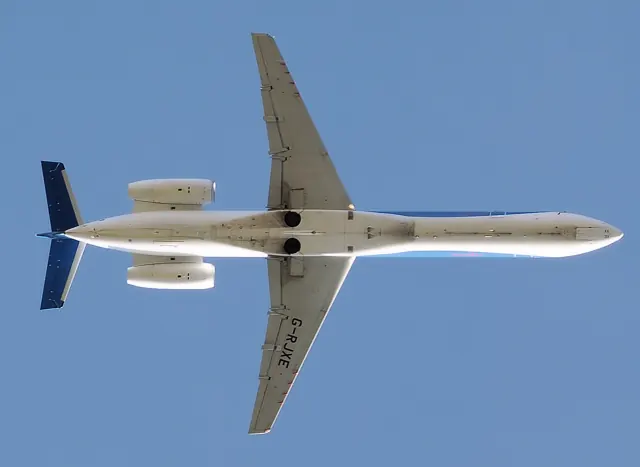
Embraer's regional-jet family, from the ERJ 135 to the longer ERJ 145.
A very light twin jet developed from the Eclipse 500.
A long-running touring single, familiar in both V-tail and conventional-tail forms.
A two-seat, twin-engine fighter that served naval and land-based air forces in many roles.
A four-engine Airbus wide-body developed in parallel with the A330.
Diamond's four-seat light twin, developed with diesel-powered versions.
Piper's two-seat trainer with fixed tricycle landing gear.
A tandem-seat light aircraft with a streamlined low-wing layout.
A regional jet family with four small engines, a high wing and a large split tail airbrake.
The four-engine Flying Fortress, a major American bomber of the Second World War.
A wide-cabin business-jet family that developed from Canadair's original Challenger programme.
A push-pull twin with one engine at each end of the central fuselage.
A regional turboprop family whose short early versions and larger Q400 have different proportions and systems.
A twin-turboprop family whose smaller conventional-tail and larger T-tail branches have distinct identities.
This is AirframeDB’s first release. More features and aircraft research are planned. Leave your email if you’d like occasional updates.