X-Plane
Schleicher ASK 21 ↗
A tandem two-seat sailplane designed for instruction and broader soaring use.
2 implementations+ Compare
Explore the aircraft. Find your simulator. Follow the sources.
A tandem two-seat sailplane designed for instruction and broader soaring use.
TorqueSim's Pocket Rocket, a simulated PT6-powered light aircraft with two gear layouts.
The Wilga is the real-aircraft starting point for Mike Patey's DRACO and the simulator's DRACO X.
A large amphibious flying boat built around maritime rescue and utility transport.
A composite amphibian that carries Dornier's centreline engine arrangement into the turboprop era.
A corrugated-metal transport best known in its three-engine form.
A pioneering all-metal transport with an enclosed passenger cabin and corrugated skin.
An enclosed, two-seat autogyro with side-by-side seating and a pusher propeller.
An all-metal sport and touring aircraft from Bayerische Flugzeugwerke.
The four-engine Flying Fortress, a major American bomber of the Second World War.
A four-engine airliner whose history also includes long-range maritime military service.
A two-seat training single with a high wing and fixed tricycle landing gear.
Cessna's unusual piston-powered helicopter, marketed as the Skyhook.
A heavy-lift helicopter built around an open frame and an external working load.
A very light twin jet developed from the Eclipse 500.
A modern medium twin-engine helicopter developed as a successor to the Dauphin line.
A two-seat naval fighter with variable-sweep wings and a cockpit built around pilot and radar-intercept officer roles.
A medium commercial helicopter designed for passenger and utility transport.
A midsize business jet developed by Bombardier’s Learjet division.
An open, single-seat ultralight with its propeller behind the pilot.
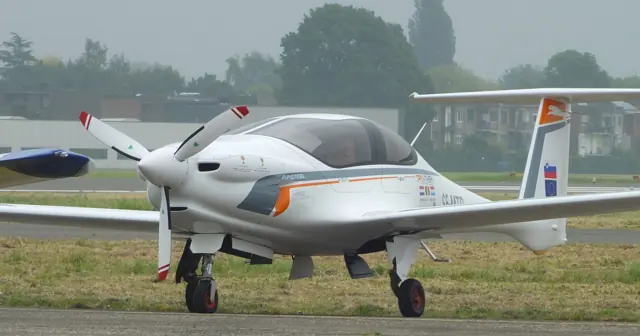
Pipistrel's streamlined four-seat composite-aircraft design.
A four-seat kit-built touring aircraft that expanded the RV family beyond two-seat designs.
Two related Dutch regional jets developed from the F28 lineage.
A wooden touring-aircraft family recognisable by the upward-angled outer wing panels.
This is AirframeDB’s first release. More features and aircraft research are planned. Leave your email if you’d like occasional updates.