MSFS
Curtiss P-40 Warhawk ↗
A wartime fighter developed from the earlier Curtiss P-36.
1 implementations+ Compare
Explore the aircraft. Find your simulator. Follow the sources.
A wartime fighter developed from the earlier Curtiss P-36.
Cirrus's first type-certified aircraft, a composite piston single.
A purpose-built aerobatic monoplane family developed by pilot and designer Walter Extra.
A pioneering light helicopter whose bubble cabin and exposed structure became widely recognisable.
A two-seat Tecnam high-wing aircraft combining composite and metal construction.
A twin-turboprop family whose smaller conventional-tail and larger T-tail branches have distinct identities.
A huge wooden flying-boat prototype that made one brief flight in 1947.
A heavy-lift helicopter built around an open frame and an external working load.
A composite, low-wing touring single with fixed gear and a turbocharged engine.
A twin-radial military transport with a rear ramp and short-field design priorities.
A swept-wing business jet designed around high subsonic cruise speed.
A regional jet family with four small engines, a high wing and a large split tail airbrake.
A purpose-built agricultural aircraft that also became a single-engine air tanker.
An enclosed, two-seat autogyro with side-by-side seating and a pusher propeller.
A family of single-aisle airliners built around sidesticks, electronic flight controls and a shared cockpit.
A tandem-seat jet trainer that also found a second life in civilian display and racing.
A compact two-seat light aircraft with a high wing and a wide range of development variants.
Tecnam's four-seat high-wing single, built with metal and carbon-fibre components.
A four-engine Airbus wide-body developed in parallel with the A330.
A two-seat light amphibian with a compact boat hull and a pusher propeller.
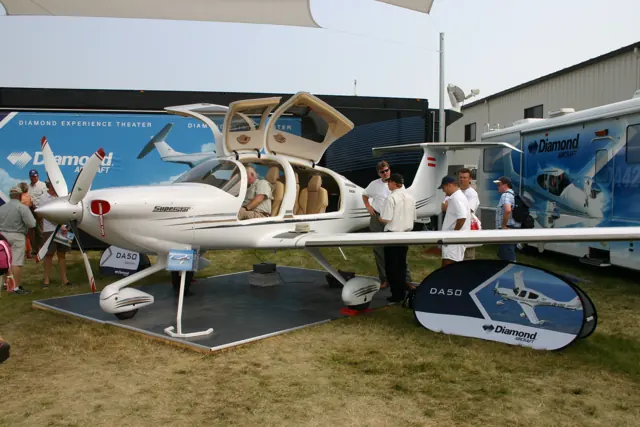
A five-seat composite single whose development led to the diesel DA50 RG.
A large twin-radial transport that carried heavy loads through wartime and post-war freight service.
A heavy transport helicopter whose two large rotors remove the need for a tail rotor.
This is AirframeDB’s first release. More features and aircraft research are planned. Leave your email if you’d like occasional updates.