MSFS X-Plane
Cessna Caravan family ↗
A single-engine turboprop workhorse for passenger services, freight and remote-area transport.
4 implementations+ Compare
Explore the aircraft. Find your simulator. Follow the sources.
A single-engine turboprop workhorse for passenger services, freight and remote-area transport.
A rear-engined trijet built to bring jet service to shorter routes and smaller airports.
A two-seat composite trainer with a low wing and a large canopy.
Epic's experimental light-jet project, represented in simulation by Aerobask.
A British jet trainer with tandem seating and a long military training career.
A tandem two-seat sailplane designed for instruction and broader soaring use.
A regional turboprop family whose short early versions and larger Q400 have different proportions and systems.
A low-wing piston family that spans simple trainers, touring aircraft and retractable-gear Arrows.
A pressurised single turboprop with a large cargo door and a broad range of working roles.
A twin-turbine Huey descendant with a four-blade main rotor.
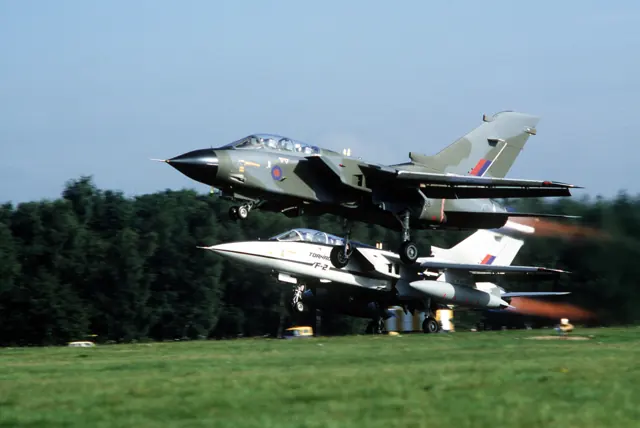
A European variable-sweep combat-aircraft family with distinct strike and interceptor versions.
A regional jet family with four small engines, a high wing and a large split tail airbrake.
A two-seat naval fighter with variable-sweep wings and a cockpit built around pilot and radar-intercept officer roles.
Beechcraft's Model 76, designed to introduce pilots to twin-engine flying.
A DC-10-derived tanker that combined aerial refuelling with passenger and cargo transport.
A streamlined light twin helicopter, with the later Bell 230 in the same family.
Piper's two-seat trainer with fixed tricycle landing gear.
A two-seat composite kit aircraft developed from the Lancair 320.
A two-seat training single with a high wing and fixed tricycle landing gear.
A high-wing utility turboprop designed for short-field passenger and cargo work.
A narrow-body twin developed as a new generation of medium-range airliner.
A swept-wing business jet designed around high subsonic cruise speed.
A twin-turboprop family whose smaller conventional-tail and larger T-tail branches have distinct identities.
The four-engine wide-body whose raised flight deck created one of aviation's most recognisable profiles.
This is AirframeDB’s first release. More features and aircraft research are planned. Leave your email if you’d like occasional updates.