MSFS
Tecnam P2008 ↗
A two-seat Tecnam high-wing aircraft combining composite and metal construction.
1 implementations+ Compare
Explore the aircraft. Find your simulator. Follow the sources.
A two-seat Tecnam high-wing aircraft combining composite and metal construction.
A radial-engined light transport whose long career covered passengers, freight and military training.
A purpose-built aerobatic monoplane family developed by pilot and designer Walter Extra.
Ted Smith's piston twin, later produced by Piper as the Aerostar.
A lightweight short-field aircraft with a specialised wing and tall, shock-absorbing landing gear.
A two-seat composite trainer with a low wing and a large canopy.
Dassault's long-range Falcon 8X, developed from the three-engine 7X.
The H130 utility helicopter, descended from the AS350 and fitted with a Fenestron.
A twin-turboprop utility aircraft developed by Reims Aviation with Cessna.
TorqueSim's Pocket Rocket, a simulated PT6-powered light aircraft with two gear layouts.
A pressurised twin turboprop with a canard, composite airframe and rear-facing propellers.
A compact Japanese twin turboprop with a high wing and pressurised cabin.
A lightweight pusher family with an enclosed cabin and a high, braced wing.
A five-seat turbine helicopter developed from Robinson's smaller piston-helicopter line.
A twin-turboprop regional airliner developed through Swedish and American industrial cooperation.
A large amphibious flying boat built around maritime rescue and utility transport.
A high-wing utility aircraft known for short-field work and a broad choice of working configurations.
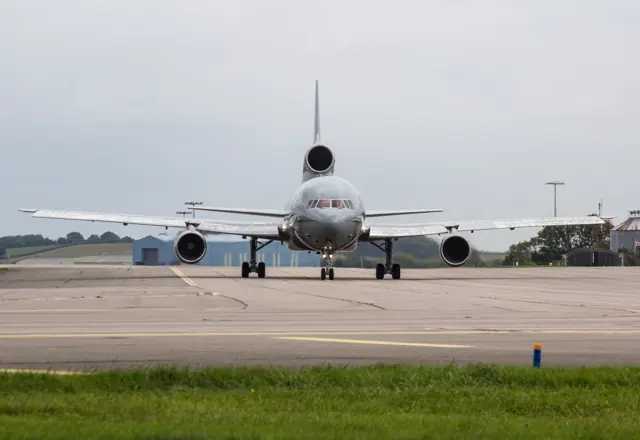
Lockheed's wide-body TriStar, with three RB211 engines and a distinctive tail intake.
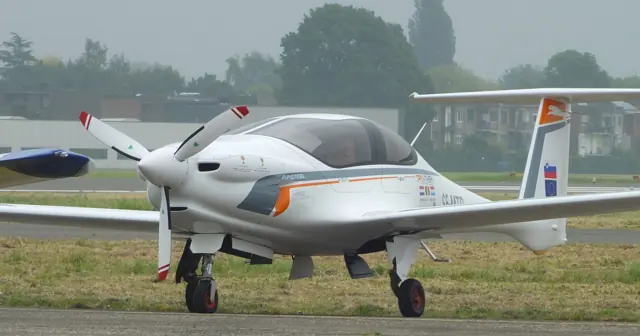
Pipistrel's streamlined four-seat composite-aircraft design.
A post-war Czech light twin with a rounded cabin and engines carried on a low wing.
The second-generation Harrier, designed around vectored thrust and short-field operation.
A specialised reconnaissance aircraft designed for very high altitude and sustained supersonic flight.
The purpose-built Ryan monoplane used by Charles Lindbergh for his 1927 solo Atlantic crossing.
A stretched development of the DC-9 with rear-mounted engines and a five-abreast cabin.
This is AirframeDB’s first release. More features and aircraft research are planned. Leave your email if you’d like occasional updates.