MSFS X-Plane
Cessna 152 / Aerobat ↗
A two-seat training single with a high wing and fixed tricycle landing gear.
5 implementations+ Compare
Explore the aircraft. Find your simulator. Follow the sources.
A two-seat training single with a high wing and fixed tricycle landing gear.
A swept-wing business jet designed around high subsonic cruise speed.
A Canadian tandem-seat trainer developed after the Second World War.
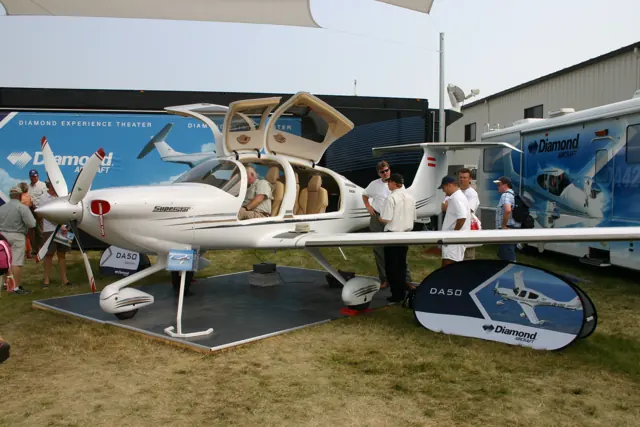
A five-seat composite single whose development led to the diesel DA50 RG.
The JetRanger and LongRanger family: a familiar turbine-helicopter shape with distinct cabin lengths.
SOCATA's touring-aircraft family, including the Tobago and Trinidad.
A long-range trijet developed from the DC-10 with a stretched fuselage and revised wing and cockpit.
An open-cockpit biplane trainer that found a second life in civilian flying.
A tandem-seat utility aircraft whose light structure and high wing suit bush, towing and recreational work.
A long-range fighter whose different engine and canopy developments produced several distinct forms.
A military liaison aircraft built around a high wing, tandem cabin and short-field utility work.
A long-haul twin whose family spans passenger, freight and specialist transport roles.
A Polish utility aircraft designed for short takeoffs and landings.
A low-wing piston twin that carries the Beechcraft touring-aircraft lineage into two-engine flying.
Cessna's retractable-gear Centurion, a high-wing touring aircraft.
A two-seat, twin-engine fighter that served naval and land-based air forces in many roles.
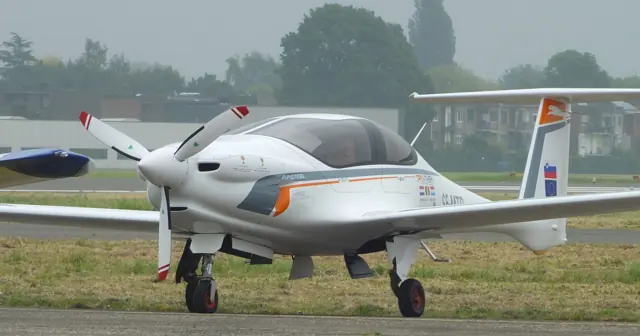
Pipistrel's streamlined four-seat composite-aircraft design.
A light turbine helicopter combining an Alouette II airframe with more powerful Alouette III components.
A large long-haul twin that introduced Boeing's first commercial fly-by-wire airliner flight controls.
A radial-engined utility aircraft closely associated with bush flying and float operations.
A single-engine utility helicopter known as the Écureuil, Squirrel and AStar.
A twin-turbine Huey descendant with a four-blade main rotor.
A twin-turboprop family whose smaller conventional-tail and larger T-tail branches have distinct identities.
The second-generation Harrier, designed around vectored thrust and short-field operation.
This is AirframeDB’s first release. More features and aircraft research are planned. Leave your email if you’d like occasional updates.