MSFS
Lockheed L-1011 TriStar ↗
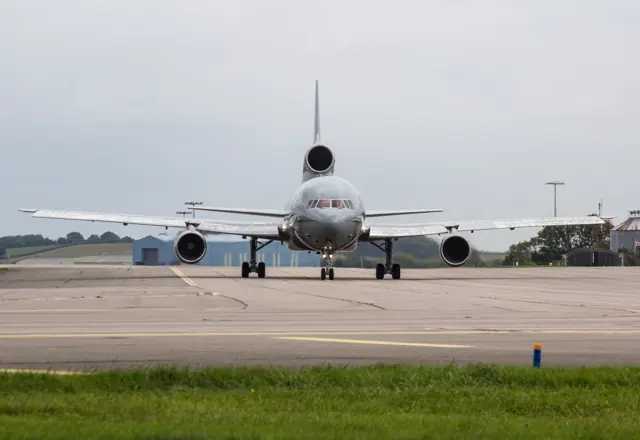
Lockheed's wide-body TriStar, with three RB211 engines and a distinctive tail intake.
1 implementations+ Compare
Explore the aircraft. Find your simulator. Follow the sources.
Lockheed's wide-body TriStar, with three RB211 engines and a distinctive tail intake.
The four-engine Flying Fortress, a major American bomber of the Second World War.
A close-air-support aircraft with a straight wing, twin tail and two widely separated jet engines.
A stretched development of the DC-9 with rear-mounted engines and a five-abreast cabin.
The JetRanger and LongRanger family: a familiar turbine-helicopter shape with distinct cabin lengths.
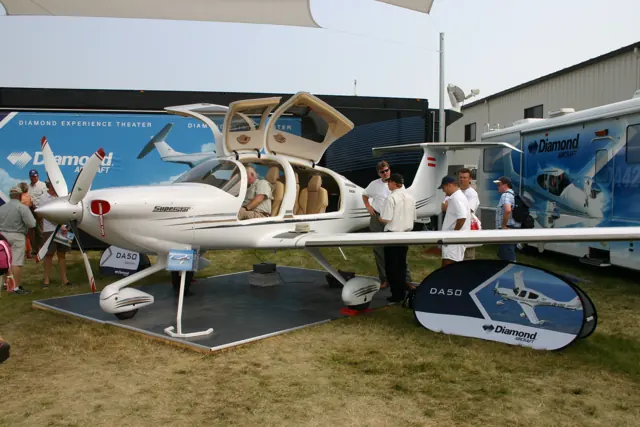
Diamond's four-seat light twin, developed with diesel-powered versions.
A four-abreast regional-jet family spanning the E170, E175, E190 and E195.
A long-range strategic bomber with a swept wing and eight jet engines in paired pods.
A box-shaped utility twin whose cabin and rear access are central to its design.
A compact Italian light twin with a shoulder wing and metal airframe.
A purpose-built aerobatic monoplane family developed by pilot and designer Walter Extra.
Avro's delta-wing bomber, developed for Britain's postwar strategic force.
The four-engine wide-body whose raised flight deck created one of aviation's most recognisable profiles.
A two-seat naval fighter with variable-sweep wings and a cockpit built around pilot and radar-intercept officer roles.
A specialised reconnaissance aircraft designed for very high altitude and sustained supersonic flight.
A military transport developed from the DC-3, used for cargo, troops, parachuting and glider towing.
Epic's experimental light-jet project, represented in simulation by Aerobask.
Regional flying built around a high wing, two turboprops and short sectors.
An enlarged Velocity kit aircraft with a canard and rear-mounted pusher propeller.
A self-launching sailplane family with its engine inside the fuselage and a folding nose propeller.
A purpose-built agricultural aircraft that also became a single-engine air tanker.
A four-engine airliner that brought pressurised-cabin travel into scheduled service.
A carbon-fibre aerobatic monoplane family with a dedicated air-racing branch.
A five-seat composite single whose development led to the diesel DA50 RG.
This is AirframeDB’s first release. More features and aircraft research are planned. Leave your email if you’d like occasional updates.