X-Plane
Britten-Norman Islander ↗
A British utility twin built around short regional and practical transport work.
2 implementations+ Compare
Explore the aircraft. Find your simulator. Follow the sources.
A British utility twin built around short regional and practical transport work.
Mooney's four-seat piston family, developed through many touring-aircraft variants.
A wooden touring-aircraft family recognisable by the upward-angled outer wing panels.
A narrow-body twin developed as a new generation of medium-range airliner.
A compact Italian light twin with a shoulder wing and metal airframe.
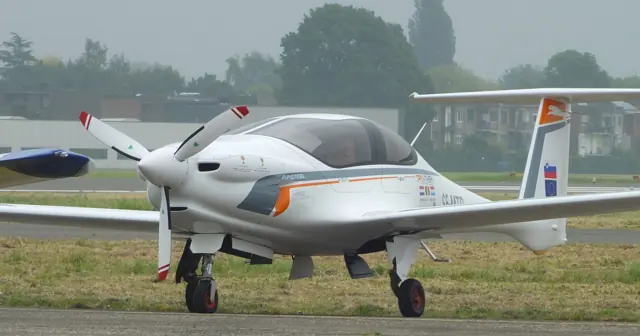
Pipistrel's streamlined four-seat composite-aircraft design.
A four-seat high-wing single that spans generations of conventional instruments and glass cockpits.
A modern composite twin with a roomy cabin and two wing-mounted piston engines.
A two-seat composite trainer with a low wing and a large canopy.
A single-engine turboprop workhorse for passenger services, freight and remote-area transport.
A rear-engined trijet built to bring jet service to shorter routes and smaller airports.
A three-engine airliner that became a mainstay of Soviet and Russian passenger transport.
A short-haul jet family that evolved through several generations of engines, wings and flight decks.
A wide-cabin business-jet family that developed from Canadair's original Challenger programme.
Dassault's long-range Falcon 8X, developed from the three-engine 7X.
Avro's delta-wing bomber, developed for Britain's postwar strategic force.
A small two-seat piston helicopter with a two-bladed main rotor.
A tandem-seat homebuilt jet with composite construction and retractable landing gear.
Beechcraft's Model 76, designed to introduce pilots to twin-engine flying.
A streamlined light twin helicopter, with the later Bell 230 in the same family.
The Mitchell medium bomber, named for aviation advocate Billy Mitchell.
A four-seat, pressurised kit aircraft with a composite airframe and retractable landing gear.
Diamond's four-seat light twin, developed with diesel-powered versions.
A push-pull twin with one engine at each end of the central fuselage.
This is AirframeDB’s first release. More features and aircraft research are planned. Leave your email if you’d like occasional updates.