MSFS
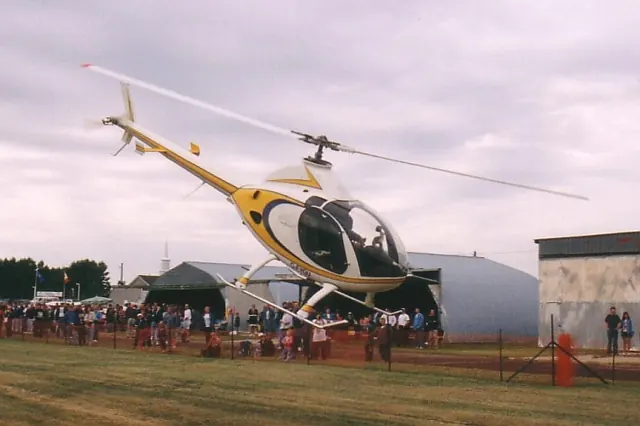
RotorWay Exec / JetExec ↗
RotorWay's two-seat kit-helicopter family, with piston and turbine simulator interpretations.
1 implementations+ Compare
Explore the aircraft. Find your simulator. Follow the sources.
RotorWay's two-seat kit-helicopter family, with piston and turbine simulator interpretations.
A shorter wide-body Airbus from the transition to two-pilot, electronic-instrument cockpits.
A Brazilian light trainer with a high wing, tandem seats and a simple utility layout.
A four-abreast regional-jet family spanning the E170, E175, E190 and E195.
A narrow-body twin developed as a new generation of medium-range airliner.
A vast inter-war flying boat with twelve engines arranged in six paired installations.
Epic's experimental light-jet project, represented in simulation by Aerobask.
A military transport developed from the DC-3, used for cargo, troops, parachuting and glider towing.
An Italian light aircraft known for military training and aerobatic use.
A low-wing piston family that spans simple trainers, touring aircraft and retractable-gear Arrows.
A long-range twin whose programme emphasised composite construction and more electrically powered systems.
A modern medium twin-engine helicopter developed as a successor to the Dauphin line.
The fixed-gear, six-cylinder touring branch of Piper's PA-28 family.
A four-engine military turboprop designed to combine tactical access with long-distance transport.
A personal jet with one engine above the rear fuselage and a distinctive V-tail.
A compact twin-engine helicopter widely used for medical, police and training work.
A two-seat composite kit aircraft developed from the Lancair 320.
A 1920s transport family that developed from a single-engine airliner into a trimotor.
A twin-aisle Boeing designed alongside the 757's generation of two-pilot flight decks.
Ted Smith's piston twin, later produced by Piper as the Aerostar.
A heavy-lift helicopter built around an open frame and an external working load.
A lightweight short-field aircraft with a specialised wing and tall, shock-absorbing landing gear.
The purpose-built Ryan monoplane used by Charles Lindbergh for his 1927 solo Atlantic crossing.
A push-pull twin with one engine at each end of the central fuselage.
This is AirframeDB’s first release. More features and aircraft research are planned. Leave your email if you’d like occasional updates.































