MSFS
Ford 4AT Trimotor ↗
A corrugated-metal, three-engine transport from the formative years of airline travel.
1 implementations+ Compare
Explore the aircraft. Find your simulator. Follow the sources.
A corrugated-metal, three-engine transport from the formative years of airline travel.
SOCATA's touring-aircraft family, including the Tobago and Trinidad.
A compact twin-engine helicopter widely used for medical, police and training work.
A pressurised twin turboprop with a canard, composite airframe and rear-facing propellers.
A pressurised four-engine piston transport from the last major generation before the jet airliner.
A retractable-gear touring single with an all-metal airframe and a long-lived enthusiast following.
A twin-aisle Boeing designed alongside the 757's generation of two-pilot flight decks.
A two-seat light amphibian with a compact boat hull and a pusher propeller.
A four-seat, pressurised kit aircraft with a composite airframe and retractable landing gear.
Tecnam's two-seat, low-wing Sierra, introduced in the early 2000s.
A four-engine airliner that brought pressurised-cabin travel into scheduled service.
TorqueSim's Pocket Rocket, a simulated PT6-powered light aircraft with two gear layouts.
The fixed-gear, six-cylinder touring branch of Piper's PA-28 family.
A streamlined twin-engine helicopter with a Fenestron tail rotor and retractable landing gear.
A high-wing utility turboprop designed for short-field passenger and cargo work.
A two-seat training single with a high wing and fixed tricycle landing gear.
A four-seat high-wing single that spans generations of conventional instruments and glass cockpits.
A light business jet with a swept wing, rear-mounted engines and an integrated flight deck.
A four-seat composite touring and training aircraft developed from Diamond's smaller two-seater.
A narrow-body twin developed as a new generation of medium-range airliner.
A single-seat aerobatic monoplane that also became a familiar air-racing aircraft.
A full-length double-deck airliner built for very high passenger capacity.
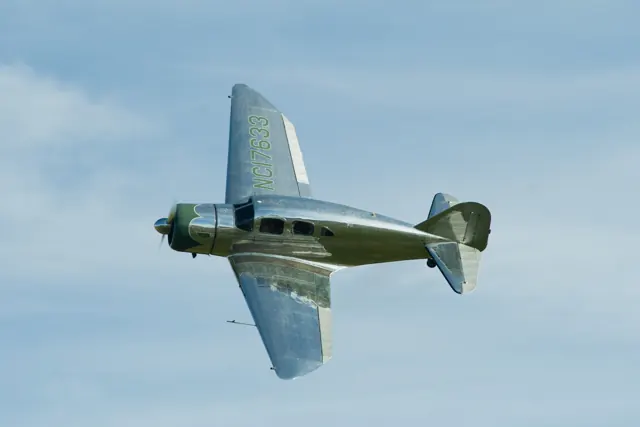
A late-1930s cabin aircraft with metal construction and retractable landing gear.
The second-generation Harrier, designed around vectored thrust and short-field operation.
This is AirframeDB’s first release. More features and aircraft research are planned. Leave your email if you’d like occasional updates.