MSFS
Dornier Do J Wal ↗
A 1920s flying boat with two engines arranged in tandem above the wing.
1 implementations+ Compare
Explore the aircraft. Find your simulator. Follow the sources.
A 1920s flying boat with two engines arranged in tandem above the wing.
An enclosed-cabin development of the Bell 47, shaped for passenger and executive transport.
A 1920s transport family that developed from a single-engine airliner into a trimotor.
A single-seat competition sailplane offered in Standard and 18-metre configurations.
A composite amphibian that carries Dornier's centreline engine arrangement into the turboprop era.
A tandem-seat homebuilt jet with composite construction and retractable landing gear.
A modern composite twin with a roomy cabin and two wing-mounted piston engines.
An open-cockpit biplane trainer that found a second life in civilian flying.
A long-range strategic bomber with a swept wing and eight jet engines in paired pods.
A British jet trainer with tandem seating and a long military training career.
A twin-turboprop family whose smaller conventional-tail and larger T-tail branches have distinct identities.
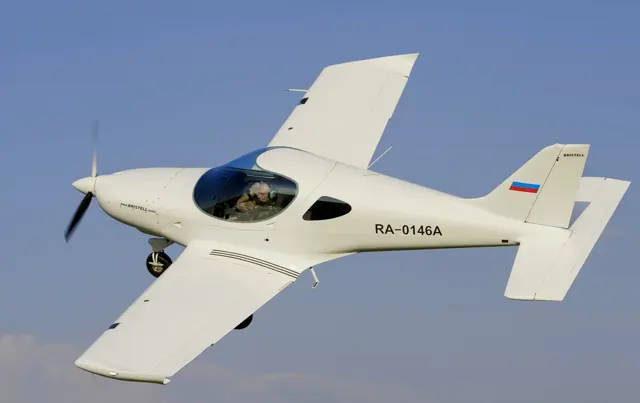
BRM Aero's two-seat B23, represented in MSFS by Airfoillabs.
A post-war Czech light twin with a rounded cabin and engines carried on a low wing.
A vast inter-war flying boat with twelve engines arranged in six paired installations.
Dassault's long-range Falcon 8X, developed from the three-engine 7X.
Beechcraft's Model 76, designed to introduce pilots to twin-engine flying.
A French two-seat aerobatic trainer with side-by-side seating and a distinctive curved wing outline.
A two-seat composite kit aircraft developed from the Lancair 320.
A composite touring single with a whole-aircraft parachute and several generations of avionics.
A purpose-built aerobatic monoplane family developed by pilot and designer Walter Extra.
A Swedish reconnaissance and dive-bombing aircraft from the early 1940s.
Tecnam's four-seat high-wing single, built with metal and carbon-fibre components.
The purpose-built Ryan monoplane used by Charles Lindbergh for his 1927 solo Atlantic crossing.
A pressurised twin turboprop with a canard, composite airframe and rear-facing propellers.
This is AirframeDB’s first release. More features and aircraft research are planned. Leave your email if you’d like occasional updates.